Kenansville
- County formed 1750
- County seat Kenansville
- Parent district New Hanover
Photos & maps
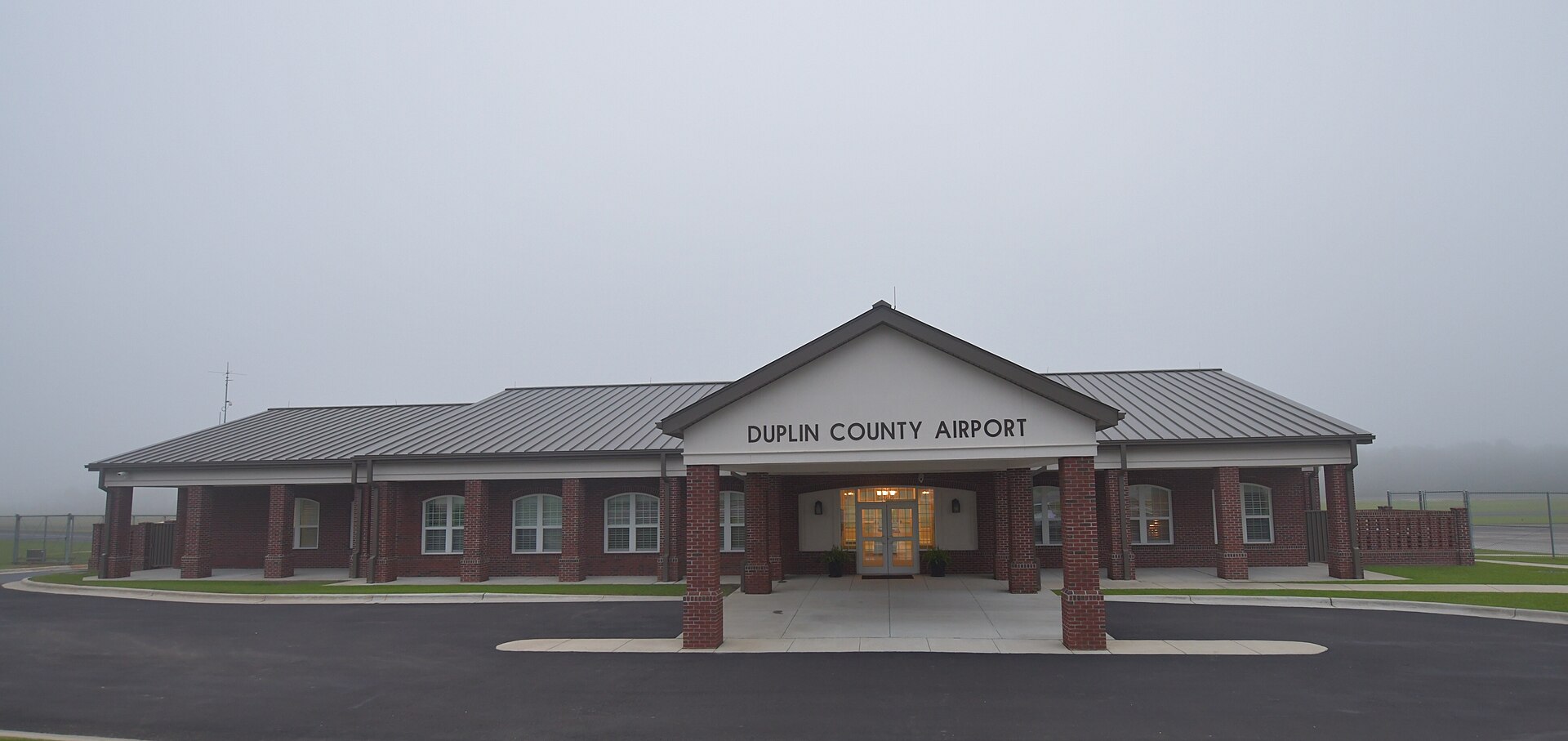
Layout and incorporation are separate dates
Duplin Court House on an old paper does not automatically mean Kenansville. Kenansville is the county seat in central Duplin County. The Gazetteer says it was authorized to be laid out in 1816 and incorporated in 1852. It was named for Gen. James Kenan, a Provincial Congress member and Revolutionary officer. The site was once known as Grovemont, and Congressman James Gillespie’s plantation Goldengrove was at or near the site before the town was laid out.[1] Grovemont and Goldengrove are locality leads for the years before the town plan. They are not automatic proof that a family lived on Gillespie land. The Kenan naming commemorates a public figure and does not by itself establish kinship for later Kenan households. Goldengrove and Grovemont searches are most useful in early nineteenth-century land and estate files.
Earlier Duplin Court House was elsewhere
The Gazetteer places an earlier Duplin Court House about two and a half miles west of present Warsaw on the Duplin-Sampson line.[1] Seat research for earlier periods may therefore point to a different place than modern Kenansville. Confirm which courthouse location matches the event year. Keep the two seats distinct so the chronology stays clear. A Confederate arms factory making swords and related gear is also noted at Kenansville.[1] Use that as wartime industrial context, not as a list of workers.
Use Duplin County routes carefully
Begin with the Duplin County hub. Keep Grovemont, Goldengrove and earlier court-house wording when sources use them. Arms-factory research should start with Confederate contract and ordnance sources rather than assuming local muster rolls name every smith. Keep layout-year (1816) and incorporation-year (1852) questions on separate lines in the research log so an early lot claim is not dated from the later charter. Keep a dated Duplin entry for each series searched, with the place label as written. Record the outcome as positive, negative or inconclusive. When an older paper says Duplin Court House, decide whether it means the Warsaw-area seat or later Kenansville before assigning a residence.
The Gazetteer verifies layout authorization, incorporation, namesake, earlier site names, prior court-house location and the arms-factory note. It does not certify complete factory lists, church registers or newspapers.
Sources
Accessed November 9, 2026 EST. Authored secondary sources, not original family records. Research suggestions do not assert that a collection survives.
- William S. Powell and Michael Hill, eds., The North Carolina Gazetteer (2010), via NC Gazetteer transcription fetched November 9, 2026 EST. https://ncgazetteer.org/cpp7srdvx77wbgj4qzvbh.html
- NCpedia Gazetteer discovery URL for the same entry (live NCpedia HTML re-fetch returned Cloudflare 403 on November 9, 2026 EST; facts taken from the NC Gazetteer transcription above). https://www.ncpedia.org/gazetteer?combine=Kenansville
History & context
Kenansville sits within the documentary landscape of Duplin County, formed in 1750 from the broader New Hanover jurisdiction.
As the seat of government, Kenansville concentrated clerks, lawyers, newspapers, hotels, and churches—making it a high-yield search term even for rural families who only visited for court, market, or marriage.
Coastal plain communities frequently connect to river trade, ports, agriculture, and free Black/plantation documentary streams. Cross-check neighboring counties when families followed rivers and rail lines.
For statewide chronology that creates records, see the NC genealogist timeline and counties & formation guide.
Churches & faith communities
Church membership is often the best substitute for missing civil vitals. Search for congregations that used Kenansville in their name or minutes, then widen to rural chapels within a few miles.
- Baptist and Methodist congregations are common statewide in the 19th–20th centuries.
- Track colonial Albemarle churches, coastal congregations, and historically African American churches—especially near ports and river towns.
- Membership lists, baptisms, marriages, and burials may use the community name even when the county clerk does not.
Guide: Church & meeting records.
Cemeteries & burials
Search cemeteries and churchyards under both the community name and the wider Duplin County label. Family plots and unmarked burials are common.
- Use Find a Grave and published surveys; verify transcriptions against stones or originals when possible.
- City cemeteries near seats often hold rural families who “came to town” for burial plots.
Guide: Cemeteries & burial research · Find a Grave search for Kenansville
Newspapers
Newspapers are place-name gold: they index communities more loosely than deed books.
- County-seat papers often covered the whole county—search for rural neighborhoods and “items from Kenansville.”
- Look for marriages, obituaries, land sales, church news, and “personal mention” columns naming visitors and migrants.
- Combine local weeklies with larger regional papers (Raleigh, Charlotte, Greensboro, Asheville, Wilmington, etc.).
Guides: Newspapers · DigitalNC · Chronicling America
Research strategy
- Place the event in the right year and jurisdiction (county formed 1750); earlier events may sit in New Hanover.
- Work census clusters around Kenansville, then land/probate at the county seat (Kenansville).
- Use churches, cemeteries, and newspapers that name the community when civil vitals are thin.
- Widen to neighboring counties when deeds, marriages, or burials cross the line.