Columbia
- County formed 1729
- County seat Columbia
- Parent district Albemarle / Bath
Photos & maps
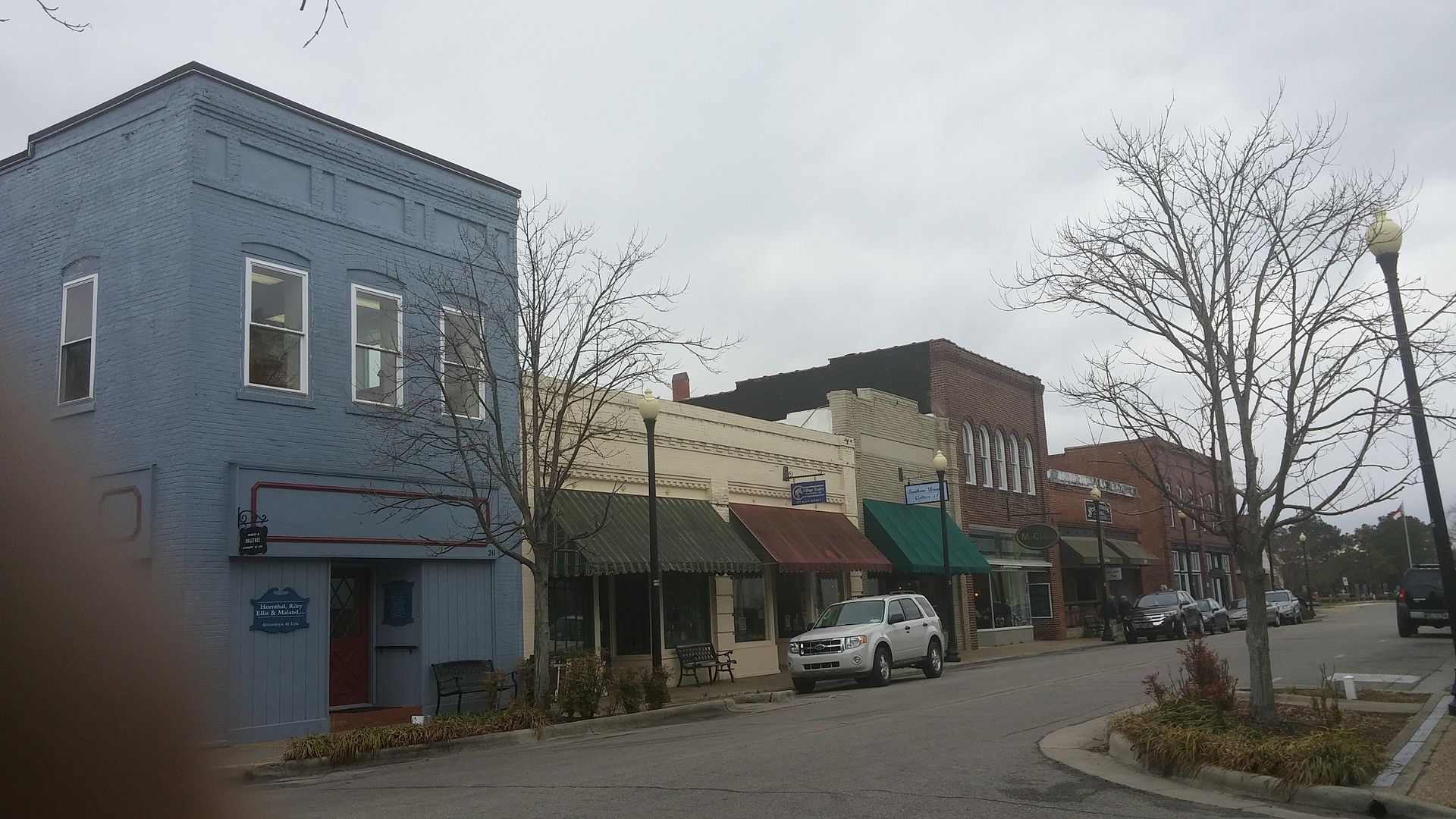
Columbia had two earlier names
Shallop’s Landing and Elizabeth Town belong in a Columbia search when the event is early.
Columbia is Tyrrell County’s seat, in the county’s north on the Scuppernong River. The Gazetteer traces it to a trading post called Shallop’s Landing. It incorporated as Elizabeth Town in 1793, became Columbia in 1801 and became the county seat in 1802.[1] These are separate stages, not different spellings to use without attention to date.
For an event around the turn of the nineteenth century, include Shallop’s Landing and Elizabeth Town in the search plan. An Elizabeth Town result needs a county and geographic check before it is attached to this community. The same or a similar name can identify a different North Carolina place.
The county-seat date does not establish residence
County business associated with Columbia after 1802 can concern people living elsewhere in Tyrrell County. Do not place a family in town simply because a deed, estate or court proceeding was handled at the seat. Look for the actual residence or property description in the record.
The river setting provides another clue. Preserve Scuppernong River references alongside named neighbors and other boundary details. A river corridor is larger than the incorporated town, and a later town label may be less precise than an older land description.
Keep the trading-post history in proportion
The Gazetteer identifies a trading-post origin but does not give an individual trader list or a founding date for Shallop’s Landing in this entry.[1] Do not fill that gap with an invented first settler. If a family tradition names a trader, treat the connection as a question to test with dated evidence.
For the county-record portion of the search, begin with the Tyrrell County hub. Select the relevant series by event and year rather than expecting the 1793 charter or 1802 seat change to date every surviving record.
The source establishes the place sequence, river location, incorporation and county-seat milestone. It does not certify a continuous local newspaper run, church register or burial collection. When a potential resource is found, record whether it is an original image, index, transcript or later narrative. A matching place name is a lead; identified people and dated events are what make it family evidence.
Sources
- William S. Powell and Michael Hill, eds., The North Carolina Gazetteer (2010), “Columbia,” NCpedia. https://www.ncpedia.org/gazetteer?combine=Columbia . Accessed November 9, 2026 EST. Authored secondary geographical reference. Methods in the body are research suggestions, not claims that a collection survives.
History & context
Columbia sits within the documentary landscape of Tyrrell County, formed in 1729 from the broader Albemarle / Bath jurisdiction.
As the seat of government, Columbia concentrated clerks, lawyers, newspapers, hotels, and churches—making it a high-yield search term even for rural families who only visited for court, market, or marriage.
Coastal plain communities frequently connect to river trade, ports, agriculture, and free Black/plantation documentary streams. Cross-check neighboring counties when families followed rivers and rail lines.
For statewide chronology that creates records, see the NC genealogist timeline and counties & formation guide.
Churches & faith communities
Church membership is often the best substitute for missing civil vitals. Search for congregations that used Columbia in their name or minutes, then widen to rural chapels within a few miles.
- Baptist and Methodist congregations are common statewide in the 19th–20th centuries.
- Track colonial Albemarle churches, coastal congregations, and historically African American churches—especially near ports and river towns.
- Membership lists, baptisms, marriages, and burials may use the community name even when the county clerk does not.
Guide: Church & meeting records.
Cemeteries & burials
Search cemeteries and churchyards under both the community name and the wider Tyrrell County label. Family plots and unmarked burials are common.
- Use Find a Grave and published surveys; verify transcriptions against stones or originals when possible.
- City cemeteries near seats often hold rural families who “came to town” for burial plots.
Guide: Cemeteries & burial research · Find a Grave search for Columbia
Newspapers
Newspapers are place-name gold: they index communities more loosely than deed books.
- County-seat papers often covered the whole county—search for rural neighborhoods and “items from Columbia.”
- Look for marriages, obituaries, land sales, church news, and “personal mention” columns naming visitors and migrants.
- Combine local weeklies with larger regional papers (Raleigh, Charlotte, Greensboro, Asheville, Wilmington, etc.).
Guides: Newspapers · DigitalNC · Chronicling America
Research strategy
- Place the event in the right year and jurisdiction (county formed 1729); earlier events may sit in Albemarle / Bath.
- Work census clusters around Columbia, then land/probate at the county seat (Columbia).
- Use churches, cemeteries, and newspapers that name the community when civil vitals are thin.
- Widen to neighboring counties when deeds, marriages, or burials cross the line.