Gastonia
- County formed 1846
- County seat Gastonia
- Parent district Lincoln
Photos & maps
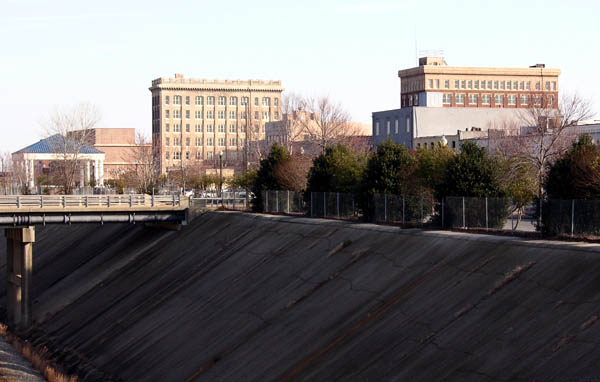
Begin with the depot town, not the county’s beginning
Do not make Gastonia’s incorporation in 1877 the start of the family timeline. The city’s own history traces its early development to a railroad depot in 1873 and the meeting of the Atlanta and Charlotte line with the Chester and Lenoir Narrow Gauge Railroad.[1] Those dates describe the growth of the town; they are not starting dates for every family or county record in the area.
If a household appears in Gastonia after incorporation, compare earlier addresses and occupations before deciding it arrived with the railway. A town’s economic history can suggest a search, but it cannot establish an individual worker’s employer or reason for moving.
The county-seat transition needs more than one date
The Gazetteer says Gastonia replaced Dallas as the county seat in 1909.[2] The city’s longer account describes a 1906 referendum, courthouse design and construction contracts in 1909, and the commissioners’ first meeting in the new building on January 2, 1911.[1] Keep each stage visible rather than reducing the accounts to one unexplained year.
For a record created during the transition, identify its actual date and the office responsible. The fact that the courthouse changed does not imply that a family moved from Dallas to Gastonia, or that earlier county records were destroyed. Ask about the series itself rather than guessing its location from the building history.
Loray is a specific lead for mill families
NCpedia places the Loray Mill labor struggle in the spring, summer and early fall of 1929. Its account identifies the mill as employing more than 2,000 workers and owned by Manville-Jencks of Providence, Rhode Island.[3] If a family is independently connected with Loray, search the mill name and event period as well as the city name.
A resident’s presence in Gastonia does not prove involvement in the strike. Keep employment, residence, union membership and participation in an event as separate claims. Newspaper reporting about a dispute also needs comparison with person-level evidence, especially when names recur.
The Gaston County hub is a starting point for the civil-record search. The histories cited here provide dates, institutions and a documented chronology problem. They do not supply a complete employee roster, courthouse record inventory or list of surviving local newspaper issues. Verify those collections separately before treating them as available evidence.
Sources
All sources accessed November 9, 2026 EST. Histories and gazetteer entries are authored secondary sources, not original family records. Research suggestions in the body are proposed methods, not claims that a particular collection survives.
- City of Gastonia, “City History,” official secondary history. https://www.gastonianc.gov/component/content/article/458-history?Itemid=5831&catid=8%3Aarticle
- North Carolina Gazetteer, “Gastonia,” NCpedia. https://www.ncpedia.org/gazetteer?combine=Gastonia
- Brent D. Glass and Michael Hill, “Gastonia Strike,” NCpedia. https://www.ncpedia.org/gastonia-strike
History & context
Gastonia sits within the documentary landscape of Gaston County, formed in 1846 from the broader Lincoln jurisdiction.
As the seat of government, Gastonia concentrated clerks, lawyers, newspapers, hotels, and churches—making it a high-yield search term even for rural families who only visited for court, market, or marriage.
Piedmont places often reflect Great Wagon Road settlement, mill/textile growth, and university or capital-city overlays depending on the community.
For statewide chronology that creates records, see the NC genealogist timeline and counties & formation guide.
Churches & faith communities
Church membership is often the best substitute for missing civil vitals. Search for congregations that used Gastonia in their name or minutes, then widen to rural chapels within a few miles.
- Baptist and Methodist congregations are common statewide in the 19th–20th centuries.
- Also check Quaker meetings, Presbyterian congregations, and Moravian records near Wachovia (Forsyth area).
- Membership lists, baptisms, marriages, and burials may use the community name even when the county clerk does not.
Guide: Church & meeting records.
Cemeteries & burials
Search cemeteries and churchyards under both the community name and the wider Gaston County label. Family plots and unmarked burials are common.
- Use Find a Grave and published surveys; verify transcriptions against stones or originals when possible.
- City cemeteries near seats often hold rural families who “came to town” for burial plots.
Guide: Cemeteries & burial research · Find a Grave search for Gastonia
Newspapers
Newspapers are place-name gold: they index communities more loosely than deed books.
- County-seat papers often covered the whole county—search for rural neighborhoods and “items from Gastonia.”
- Look for marriages, obituaries, land sales, church news, and “personal mention” columns naming visitors and migrants.
- Combine local weeklies with larger regional papers (Raleigh, Charlotte, Greensboro, Asheville, Wilmington, etc.).
Guides: Newspapers · DigitalNC · Chronicling America
Research strategy
- Place the event in the right year and jurisdiction (county formed 1846); earlier events may sit in Lincoln.
- Work census clusters around Gastonia, then land/probate at the county seat (Gastonia).
- Use churches, cemeteries, and newspapers that name the community when civil vitals are thin.
- Widen to neighboring counties when deeds, marriages, or burials cross the line.