Charlotte
- County formed 1762
- County seat Charlotte
- Parent district Anson
Photos & maps
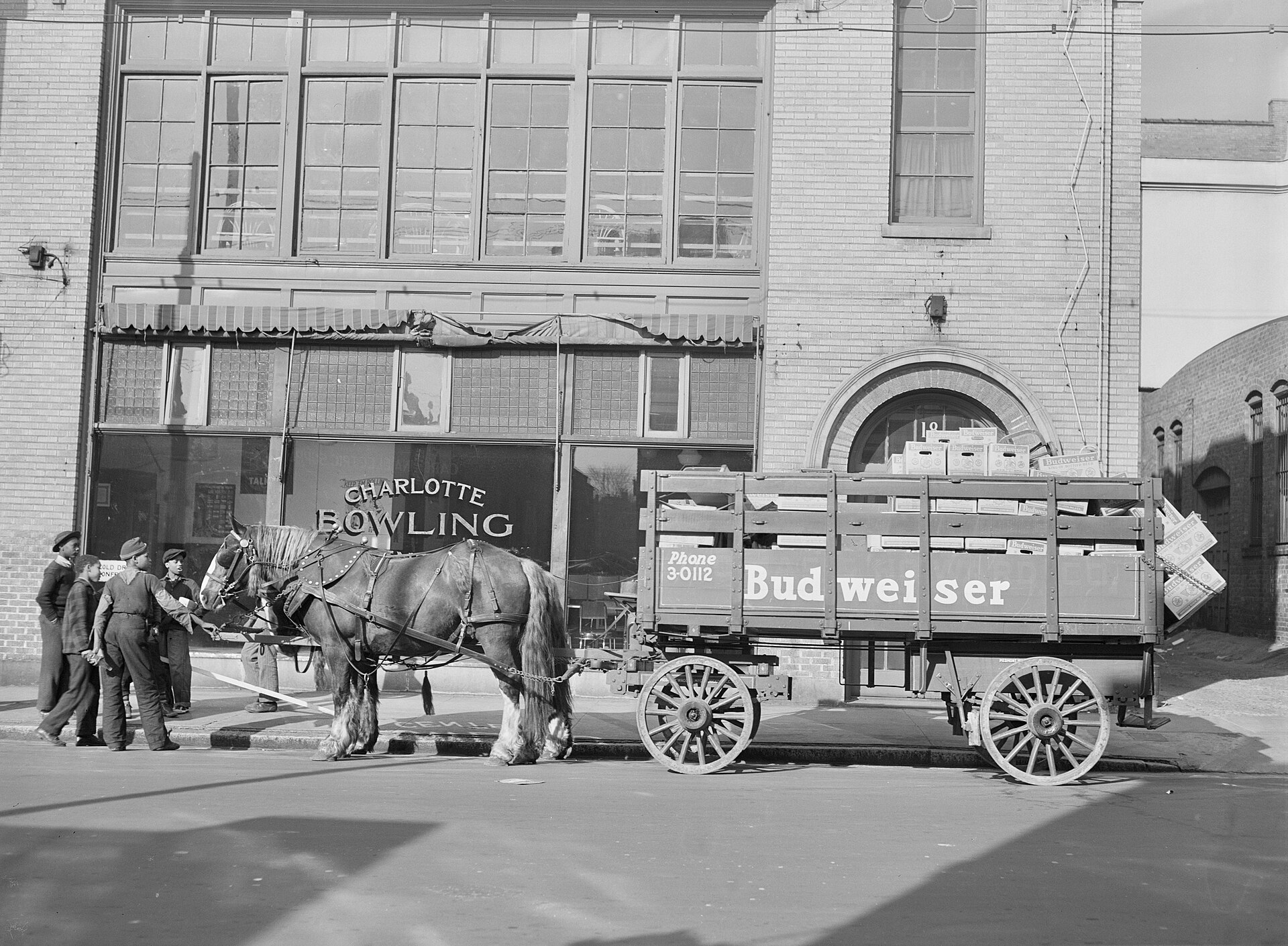
Charlotte is a city in Mecklenburg County in North Carolina’s Piedmont region. It serves as the county seat—often the densest cluster of courthouse, newspaper, and church records for the county.
Treat this page as a place-level research hub: pin the family to the right community, then expand to county jurisdictions, parent counties, and neighboring places when the courthouse or church sat outside today’s city limits.
History & context
Charlotte sits within the documentary landscape of Mecklenburg County, formed in 1762 from the broader Anson jurisdiction.
As the seat of government, Charlotte concentrated clerks, lawyers, newspapers, hotels, and churches—making it a high-yield search term even for rural families who only visited for court, market, or marriage.
Piedmont places often reflect Great Wagon Road settlement, mill/textile growth, and university or capital-city overlays depending on the community.
For statewide chronology that creates records, see the NC genealogist timeline and counties & formation guide.
Churches & faith communities
Church membership is often the best substitute for missing civil vitals. Search for congregations that used Charlotte in their name or minutes, then widen to rural chapels within a few miles.
- Baptist and Methodist congregations are common statewide in the 19th–20th centuries.
- Also check Quaker meetings, Presbyterian congregations, and Moravian records near Wachovia (Forsyth area).
- Membership lists, baptisms, marriages, and burials may use the community name even when the county clerk does not.
Guide: Church & meeting records.
Cemeteries & burials
Search cemeteries and churchyards under both the community name and the wider Mecklenburg County label. Family plots and unmarked burials are common.
- Use Find a Grave and published surveys; verify transcriptions against stones or originals when possible.
- City cemeteries near seats often hold rural families who “came to town” for burial plots.
Guide: Cemeteries & burial research · Find a Grave search for Charlotte
Newspapers
Newspapers are place-name gold: they index communities more loosely than deed books.
- County-seat papers often covered the whole county—search for rural neighborhoods and “items from Charlotte.”
- Look for marriages, obituaries, land sales, church news, and “personal mention” columns naming visitors and migrants.
- Combine local weeklies with larger regional papers (Raleigh, Charlotte, Greensboro, Asheville, Wilmington, etc.).
Guides: Newspapers · DigitalNC · Chronicling America
Research strategy
- Place the event in the right year and jurisdiction (county formed 1762); earlier events may sit in Anson.
- Work census clusters around Charlotte, then land/probate at the county seat (Charlotte).
- Use churches, cemeteries, and newspapers that name the community when civil vitals are thin.
- Widen to neighboring counties when deeds, marriages, or burials cross the line.