Mecklenburg County Genealogy
- Formed 1762
- Parent county / earlier Anson
- County seat Charlotte
- Neighbors Gaston, Lincoln, Iredell, Cabarrus, Union
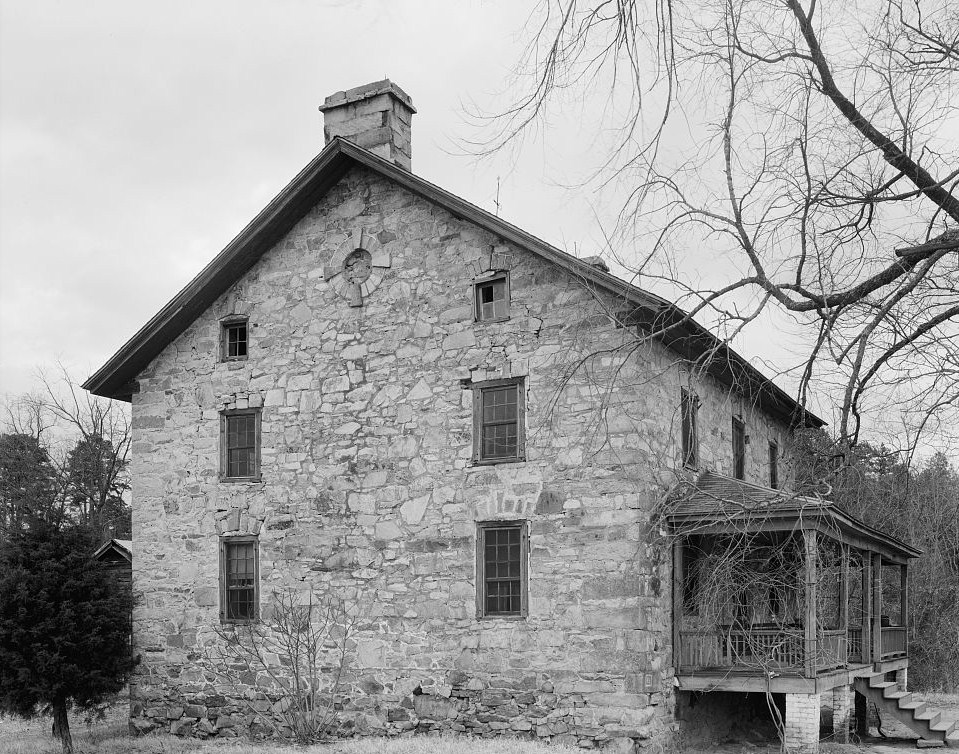
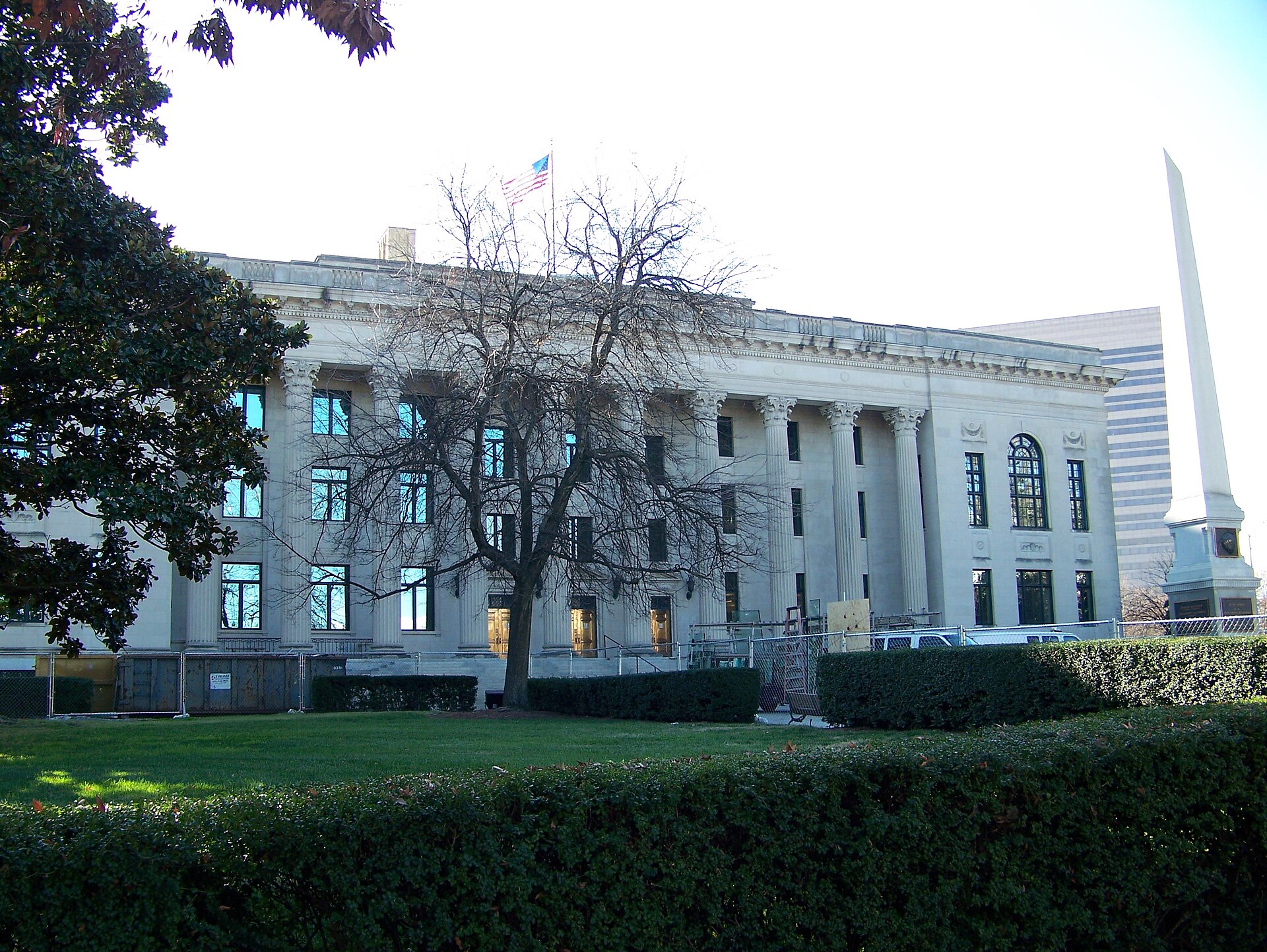
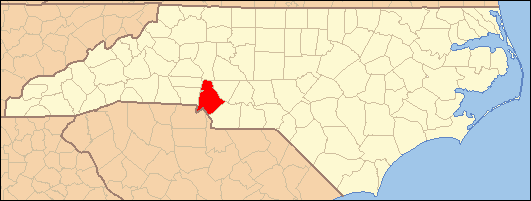
Photos & maps
What’s new
- Flagship hub (priority depth): Piedmont trading-path crossroads that became a banking/metro engine with Scotch-Irish and German roots.
- Formation 1762 from Anson — for pre-formation events, use the parent jurisdiction’s paper (not later Anson-only catalogs).
- Seat: Charlotte · Neighbors: Cabarrus, Union, Gaston, Iredell, Lincoln, York County, SC.
- Long-form topics below: research path, parents/jurisdiction, neighbors/borders, place communities, record stack.
- Free tools: starter checklist · cheatsheet bundle · this week in Mecklenburg history.
Mecklenburg County was formed in 1762 from Anson. The county seat is Charlotte. Neighboring counties include Gaston, Lincoln, Iredell, Cabarrus, Union.
This hub combines a modern research floor—record matrix, towns, repositories, news—with local history narrative. For events before the county’s formation year, open the parent jurisdiction that owned that year—not a later statewide vital series or Anson-only catalog.
Mecklenburg County was formed in 1762 from the western part of Anson County. It was named for the German Princess Charlotte of Mecklenburg-Strelitz (1744-1818), who had become queen consort of King George III the previous year. She is also the eponym of Mecklenburg County's county seat and largest city, Charlotte.
In 1768 the part of Mecklenburg County west of the Catawba River became Tryon County. The Mecklenburg Declaration of Independence was allegedly signed on May 20, 1775; if the document is indeed genuine, Mecklenburg County was the first part of the Thirteen Colonies to declare independence from Great Britain. Some have disputed the the story of the Mecklenburg Declaration. Saying it was written around 1800 as an attempt to reconstruct from memory the 1775 Mecklenburg Resolves, the Resolves fell short of a full declaration of independence. The argument is that the writer of the 1800 document misunderstood the Resolves as a Declaration of Independence and borrowed language from the United States Declaration of Independence. "Meck Dec Day" was celebrated on May 20 in North Carolina although it's no longer an official holiday. For more on the Mecklenburg Declaration you can visit cmstory.org.
In 1792 the northeastern part of Mecklenburg County became Cabarrus County. Finally, in 1842 the southeastern part of Mecklenburg County was combined with the western part of Anson County to become Union County.
During the September-October British occupation of Charlotte the city was nicknamed a "Hornet's Nest" by Banastre Tarleton. That name stuck and is a symbol still used in Charlotte for their city. (It also lended the name to the Hornet's basketball franchise which have since moved.) October 3, 1780 there was a skirmish at McIntyre's Farm sometimes referred to as the Battle of McIntyre's farm or the McIntyre Skirmish. It was located (then) 7 miles from Charlotte. It took place when a party of 300 Redcoats went on a foraging expedition towards the vicinity of Hopewell Baptist Church. They met fierce resistance from a group of 14 which forced them to return back to Charlotte. (Their headquarters was at the Thomas Polk house.) This may be one of the better documented skirmishes of that occupation, but I'm sure it wasn't the only event leading them to term this area a Hornet's Nest.
James Knox Polk, the eleventh President of the United States, was born here in 1795 in what is now Pineville. From the Wikipedia.
Charlotte has seen aggressive growth in recent years expanding into the townships that were previously known. The census still tracks these (except for Sharon), but outside of statistical purposes they are not used:
* Charlotte Township - completely annexed into the City of Charlotte
* Mallard Creek Township - greatly reduced by Charlotte annexation
* Crab Orchard Township - greatly reduced by Charlotte annexation
* Clear Creek Township - greatly reduced by Charlotte and Mint Hill annexation
* Morning Star Township - almost entirely annexed by Charlotte, Mint Hill, and Matthews
* Sharon Township - completely annexed into Charlotte and eliminated
* Providence Township - almost entirely annexed into Charlotte
* Pineville Township - mostly annexed by the City of Pineville
* Steele Creek Township - greatly reduced by Charlotte annexation
* Berryhill Township - greatly reduced by Charlotte annexation
* Paw Creek Township - greatly reduced by Charlotte annexation
* Long Creek Township - greatly reduced by Charlotte annexation
* Deweese Township - reduced by Davidson and Cornelius annexation
* Huntersville Township - reduced by Huntersville annexation
* Lemley Township - mostly beneath Lake Norman since it was created in 1963, and reduced by Huntersville annexation
Historic Places in Mecklenburg County
In-depth topics
Towns & communities
History notes
Mecklenburg County (formed 1762 from Anson; seat Charlotte) is a research problem defined by Piedmont trading-path crossroads that became a banking/metro engine with Scotch-Irish and German roots. The modern label is useful for late sources—and dangerous when it erases the courthouse that actually held authority in the event year.
Jurisdiction first. Write person + event + year + place as written in a source, then open the parent or neighbor that owned that year. Mecklenburg's formation year 1762 is a hard wall: earlier deeds, estates, tax lists, and court orders usually live in parent paper, not in a Mecklenburg-only catalog search.
Place density differs. Charlotte and market towns generate directories, newspapers, and church clusters that rural farm neighborhoods do not. Treat Charlotte, Matthews, Huntersville, Davidson, Cornelius (and unincorporated settlements) as separate paper systems sharing a courthouse label.
FAN clubs spill. Neighbor research regularly includes Cabarrus, Union, Gaston, Iredell, Lincoln, York County, SC. Abstract adjoining owners, witnesses, bondsmen, and three neighboring census households before you declare a negative search.
Special Mecklenburg trap: May 20 traditions, gold-rush memory, textile/banking eras; SC border FAN clubs (York/Lancaster). Build a one-page formation log (event year → jurisdiction tried → repository → result → next action) every session—the habit that separates Charleston-class research from index shopping.
Session order: (1) fix jurisdiction; (2) rebuild households in every federal census decade available; (3) land + probate with full witness abstracting; (4) church/cemetery/newspaper substitutes; (5) military and institutional series; (6) only then paid database deep dives. Use the record matrix on this hub as a plan, not a guarantee. Methods: Start here · Master guide · Counties & formation.
Record availability matrix
| Record type | Coverage | Years (approx.) | Notes |
|---|---|---|---|
| Federal census | good | 1790–1950 | Federal schedules usable; re-place households each decade as Charlotte expands and township labels change. Parent/Anson context only for pre-formation events—not for 1790+ census rows. |
| Birth records | sparse | 1913– | Civil birth registration late statewide. Church and city sources carry earlier decades for Charlotte-area families. |
| Marriage records | partial | 1762– | Improve in the 19th–20th centuries; earlier church/bond/newspaper substitutes. Check event-year county vs modern address. |
| Death records | partial | 1913– | Certificates denser after statewide registration; obituaries and cemeteries fill earlier gaps. |
| Land & deeds | good | 1762– | Record-loss / thin-series note: Early Mecklenburg research is a boundary problem as much as a loss problem: Anson-era parent context, SC border FAN clubs, and later city growth around Charlotte. Strong later deed series at the Register of Deeds; early research often needs Anson-era context and careful boundary work. SC border families leave trails in both states. |
| Probate & estates | good | 1762– | Record-loss / thin-series note: Early Mecklenburg research is a boundary problem as much as a loss problem: Anson-era parent context, SC border FAN clubs, and later city growth around Charlotte. Wills/estates useful; pair with equity and newspaper legal notices when indexes thin. Abstract witnesses and bondsmen aggressively in market decades. |
| Church & parish | partial | varies | Church coverage varies by denomination and survival. Baptisms, membership, and burial registers often beat early civil vitals; check local societies and denominational archives. |
| Newspapers | varies | varies | Charlotte Observer lineage and local papers; DigitalNC holdings vary by title and run—verify years before citing a continuous run. |
| Military | good | 1775– | Revolutionary through 20th-century service may generate pensions, CMSRs, militia notes, and wartime claims. Pair unit research with Mecklenburg place context and neighboring counties when companies recruited across lines. |
| Cemeteries | partial | varies | Published surveys, Find a Grave, churchyards, and family plots. Unmarked burials are common—use obituaries, church books, and land descriptions. |
| Court records | partial | 1762– | Common pleas, sessions, and other court series often begin near formation (1762); equity may sit with or near probate. Pre-1762 under Anson. Known disruption: No major fire on standard lists; Anson parent (1762); major urban series later. |
| Tax lists | sparse | varies | Tax lists can substitute for missing census years and thin deed decades. Coverage is uneven by locality and year—check State Archives of North Carolina and published abstracts. |
Newspapers
- Charlotte Observer lineage
- DigitalNC holdings — all Mecklenburg titles
- The Journal
- North Carolina Whig
- Mecklenburg Jeffersonian
- Hornets’ Nest and True Southron.
- The Times-Democrat
- The Evening Bulletin
- The Weekly Courier
- Daily Carolina Times
- The Tri-Weekly Bulletin
- The Charlotte Observer
- The Weekly News
- Our Weekly
- The Southern Mechanic
- Charlotte Messenger
- The Star of Zion
- Weekly Charlotte Observer
- The Messenger of Hope
- Our Church Tidings
- The People’s Paper
- The Southern Publisher
- Johnson C. Smith University Student Newspaper
- The Carolina Union Farmer
- Trench and Camp
- The Caduceus
- Queens University of Charlotte Student Newspaper
- The Charlotte Herald
- The Charlotte Post
- The Charlotte Labor Journal and Dixie Farm News
- Beasley’s Farm and Home Weekly
- University of North Carolina at Charlotte Student Newspaper
- North Carolina Council Comment
- The Charlotte Jewish News
- Q-notes
- Carolina Lesbian News
Structured transcriptions
-
Mecklenburg County Deed Abstracts (USGenWeb Archives)
Grantor Grantee Year Book:page Dickey, John (of Rowan) Henderson, James (of Rowan) 1763 1:739 Berryhill, Alexander Graham, Mary (widow) 1771 — (locate on film) State of North Carolina (grant) Dickey, James 1768 — (locate on film)
Cemeteries & burial research
- Settlers' / Elmwood / urban Charlotte cemeteries
- Settlers' Cemetery
- Elmwood Cemetery
- Mecklenburg County cemeteries (Find a Grave / surveys)
Societies & repositories
Vital records
North Carolina statewide vital registration expanded in the early 20th century. For many Mecklenburg County families you will rely on marriage bonds, church registers, Bible records, newspapers, delayed births, and probate—not only a modern certificate.
Research starting points
What to do next in Mecklenburg County
- Fix the year and jurisdiction — if the event is before 1762, open parent paper first (Anson).
- Rebuild the household in every census decade; abstract three neighboring households each time.
- Pull land + probate with full witness/bondsman abstracts in the courthouse that actually held authority.
- Work the place — Charlotte directories/newspapers vs rural church/cemetery clusters.
- Widen one neighbor at a time — Cabarrus, Union, Gaston, Iredell.
- Log negatives and only then use paid databases for images you cannot get free.
- Mecklenburg County Government
- Charlotte Mecklenburg Library
- Mecklenburg Historical Association
- Mecklenburg Historical Association
- Olde Mecklenburg Genealogical Society
- FamilySearch Wiki — Mecklenburg County
- NCGenWeb — Mecklenburg
- State Archives of North Carolina
- DigitalNC
- Start here research guide
- Full directory
Courthouse & contacts
The county seat is Charlotte. Confirm current Register of Deeds, Clerk of Superior Court, and library hours before visiting—offices move and digital portals change.
Public library: Charlotte Mecklenburg Library
Record-loss / series note: Early Mecklenburg research is a boundary problem as much as a loss problem: Anson-era parent context, SC border FAN clubs, and later city growth around Charlotte.
If not found here, try…
- Formed 1762
- Parent / earlier jurisdiction Anson — check district-era records before this county existed (districts guide).
Neighboring counties (deeds, marriages, newspapers, and kin often cross the line):
What to do next
Local history & events
- Mecklenburg County commissioners searching for plan to have new nature museum repay $14 million+ loan - Queen City News
- Mecklenburg County considers declaring Discovery Place in default over new nature museum - Queen City News
- Mecklenburg County seeks to recover over $14.6 million owed for Discovery Place nature museum - Queen City News
Sources & further reading
- NCpedia — Mecklenburg County
- David Leroy Corbitt, The Formation of the North Carolina Counties, 1663–1943
- William S. Powell, The North Carolina Gazetteer
- State Archives of North Carolina
- DigitalNC — Mecklenburg County
- Chronicling America (Library of Congress)
- FamilySearch Wiki · NCGenWeb