Caswell County Genealogy
- Formed 1777
- Parent county / earlier Orange
- County seat Yanceyville
- Neighbors Person, Orange, Alamance, Rockingham
Photos & maps
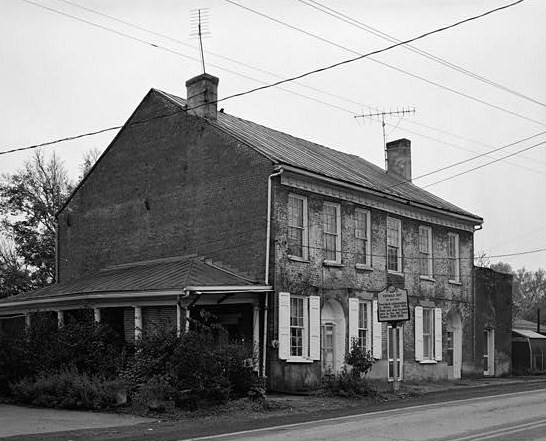
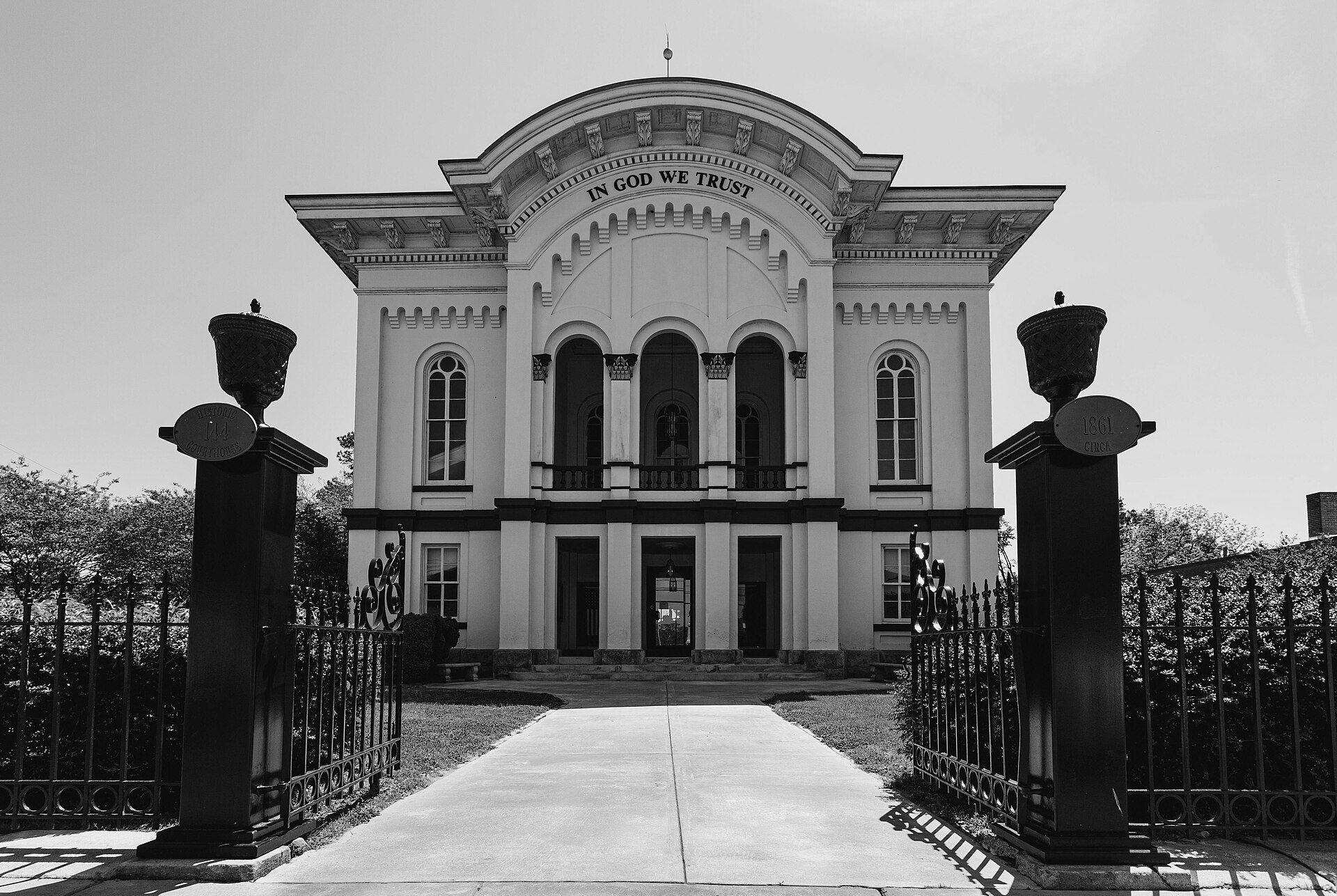
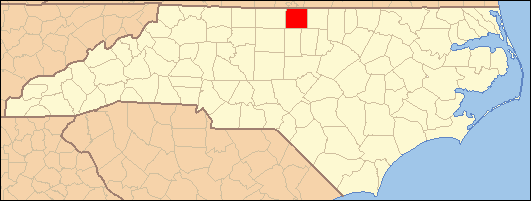
What’s new
- northern Piedmont tobacco country with Virginia border FAN clubs.
- Formation 1777 from Orange — for pre-formation events, use the parent jurisdiction’s paper (not later Anson-only catalogs).
- Seat: Yanceyville · Neighbors: Person, Rockingham, Alamance, Orange.
- Methods: Start here · Master guide.
A family can stay on the same land while its county name changes. Caswell was created from the northern part of Orange County in 1777. The establishing act was ratified May 9 and set the division to take effect June 1. For a person living there before that change, start with Orange County as well as Caswell. [1, 2]
The catalog does not stop neatly at the formation year. The State Archives’ historical Caswell inventory includes estate papers dated 1772 to 1941 and wills dated 1771 to 1927. Those are catalog ranges, not a promise that every year or family is represented. The document date, the recording date and the county under which material is now cataloged may answer different questions. [2]
Choose a record that fits the question
If you need to connect a child to a parent, start with estate and guardianship series, not just a surname search in wills. The inventory lists Guardians’ Records, 1777 to 1930, and Guardians’ Accounts, 1794 to 1868. Make a note of the exact series you searched so you can distinguish an unsuccessful search of wills from an unsuccessful search of estate papers. [2]
Read a guardianship record carefully before assigning a parent. Copy the relationship it actually states, the person appointed, the dates and the names of other children or parties. A guardian’s role is not itself proof of biological parentage. Compare the file with an estate or another independent record before drawing the family connection.
For a marriage, the original Marriage Bonds series is listed as 1778 to 1868. The microfilm list separately describes marriage bonds, licenses and registers with different ranges. Use the entry for the material you actually consult. A bound register, a bond and a later index are not interchangeable citations. [2]
A marriage lead is strongest when you retain more than the two principal names. Copy the date and the roles of other people named in the document. If a compiled entry supplies only a year, seek the underlying image or record before turning that year into a precise wedding date.
Read the deed behind the index
The inventory’s microfilm section lists Record of Deeds, 1777 to 1963, and separate grantor and grantee indexes covering 1777 to 1985. Search the surname on both sides of a transaction, then obtain the deed itself. Copy the book and page, parties, witnesses and land description. [2]
Following a tract across several transactions may help distinguish same-name residents. Compare watercourses and adjoining owners as well as acreage. A sale by several people may be worth reading beside an estate file, but do not assume a shared interest means they were all siblings. Let the language of the documents establish the relationship.
The establishing act also addresses business already under way in Orange. Section VIII provides for subsequent process in actions commenced there when parties or witnesses became Caswell inhabitants. For a case crossing the 1777 change, check both jurisdictions instead of assuming that a new county name ended the older proceeding. [1]
Look beyond an isolated name match
County Court of Pleas and Quarter Sessions minutes are listed among the original records for 1777 to 1868. Lists of Taxables appear for 1777 to 1867. These are specific next searches when a deed or estate leaves a gap, not assurances that an ancestor appears in either series. [2]
Tax references should be compared across the years actually available. A missing name can raise a question about residence, spelling or the kind of list being examined. It does not alone establish a death or departure. Record the title and limits of the list before interpreting an absence.
There is a reason to check survival series by series. The inventory says some records were said to have been destroyed during militia occupation in Reconstruction. That qualified statement does not mean the entire courthouse collection was lost. Write down the actual gap you encounter instead of assuming that a missing search result proves a destroyed record. [2]
Before traveling or requesting copies
Use the State Archives’ current County Records Guide to confirm the present catalog entry for Caswell. The detailed inventory cited here is an older Archives guide preserved by NCGenWeb; holdings and access can change. Ask about the particular series and date span, not simply whether the Archives has Caswell genealogy records. [2, 3]
Keep a short research log with the repository, series, volume or box, page or image, spellings tried and result. A negative search of a marriage index should remain a negative search of that index, not become a claim that no marriage occurred. A later clue may send you to another jurisdiction or record type. Keep the earlier conclusion narrow enough to reflect what you actually searched.
Sources
Accessed November 9, 2026 EST. Repository descriptions and statutory transcription establish research context, not a particular family’s relationships.
- J. D. Lewis, Carolana, transcription of Laws of North Carolina, 1777, chapter XVII, State Records, volume XXIV, pages 24 to 26. Sections II and VIII; ratification May 9. Derivative transcription of a statute. https://www.carolana.com/NC/Counties/1777_NC_Legislative_Act_to_Establish_Caswell_County.html
- North Carolina Archives, Guide to Research Materials, “Caswell County,” pages 1 to 5, NCGenWeb mirror. Historical repository inventory, supporting the qualified loss note and cited series/ranges. Not a current availability guarantee. https://ncgenweb.us/caswell/pdf/northcarolinaarchives/caswellcountyguidetoresearchmaterials.pdf
- State Archives of North Carolina, “County Records Guide.” Current starting point for county entries and distinction between original and microfilm holdings. https://archives.ncdcr.gov/researchers/collections/government-records/county-records-guide
In-depth topics
Towns & communities
History notes
Caswell County (formed 1777 from Orange; seat Yanceyville) is a research problem defined by northern Piedmont tobacco country with Virginia border FAN clubs. Parent Orange contexts matter for early mapping. Border marriages and burials complete surnames missing in NC-only indexes.
Record availability matrix
| Record type | Coverage | Years (approx.) | Notes |
|---|---|---|---|
| Federal census | good | 1790–1950 | Federal schedules for NC; place each household in the correct county for that decade. Before 1777, people will not be labeled Caswell—use Orange. Parent-jurisdiction notes apply only to pre-formation events—not to post-formation federal census rows. Township and city-ward labels change; re-pin every decade. |
| Birth records | sparse | 1913– | Statewide NC birth registration is late (roughly 1913–1915 for civil strength). Use delayed births, church registers, Bibles, and census for earlier Caswell generations—not parent-county “civil vitals.” |
| Marriage records | partial | 1777– | County marriage records improve in the 19th–20th centuries after formation (1777); earlier events often appear in church books, bonds, newspapers, or Orange. Confirm event-year jurisdiction vs modern address. |
| Death records | partial | 1913– | Death certificates denser after statewide registration (~1913–1915+). Earlier Caswell deaths via obituaries, church burial, probate, and cemeteries. |
| Land & deeds | good | 1777– | Record-loss / thin-series note: Formed 1777 from Orange. Pre-formation is Orange; later Person (1791) peels northern ground—re-pin labels after each split. Caswell deed/Register of Deeds series typically begin near formation (1777); pre-1777 land lives under Orange. Colonial grants/plats may predate the county at State Archives of North Carolina. Always verify book/page gaps; abstract witnesses and neighbors. |
| Probate & estates | good | 1777– | Record-loss / thin-series note: Formed 1777 from Orange. Pre-formation is Orange; later Person (1791) peels northern ground—re-pin labels after each split. Wills, administrations, inventories, and equity are core after 1777; pre-formation estates under Orange. Abstract bondsmen, sales, and widows’ petitions for FAN clubs. Pair thin years with newspaper legal notices and Archives microfilm. |
| Church & parish | partial | varies | Church coverage varies by denomination and survival. Baptisms, membership, and burial registers often beat early civil vitals; check local societies and denominational archives. |
| Newspapers | varies | varies | Yanceyville and local weeklies, plus larger regional papers for legal notices and obituaries. Verify actual title runs on DigitalNC and Chronicling America before citing continuous coverage. |
| Military | good | 1775– | Revolutionary through 20th-century service may generate pensions, CMSRs, militia notes, and wartime claims. Pair unit research with Caswell place context and neighboring counties when companies recruited across lines. |
| Cemeteries | partial | varies | Published surveys, Find a Grave, churchyards, and family plots. Unmarked burials are common—use obituaries, church books, and land descriptions. |
| Court records | partial | 1777– | Record-loss / thin-series note: Formed 1777 from Orange. Pre-formation is Orange; later Person (1791) peels northern ground—re-pin labels after each split. Common pleas, sessions, and other court series often begin near formation (1777); equity may sit with or near probate. Pre-1777 under Orange. |
| Tax lists | sparse | varies | Tax lists can substitute for missing census years and thin deed decades. Coverage is uneven by locality and year—check State Archives of North Carolina and published abstracts. |
Newspapers
Cemeteries & burial research
- Yanceyville / county-seat cemeteries
- Caswell County cemeteries (Find a Grave / surveys)
Societies & repositories
Vital records
North Carolina statewide vital registration expanded in the early 20th century. For many Caswell County families you will rely on marriage bonds, church registers, Bible records, newspapers, delayed births, and probate—not only a modern certificate.
Research starting points
Courthouse & contacts
The county seat is Yanceyville. Confirm current Register of Deeds, Clerk of Superior Court, and library hours before visiting—offices move and digital portals change.
Public library: Caswell County Public Library
Record-loss / series note: Formed 1777 from Orange. Pre-formation is Orange; later Person (1791) peels northern ground—re-pin labels after each split.
If not found here, try…
- Formed 1777
- Parent / earlier jurisdiction Orange — check district-era records before this county existed (districts guide).
Neighboring counties (deeds, marriages, newspapers, and kin often cross the line):
Local history & events
Sources & further reading
- NCpedia — Caswell County
- David Leroy Corbitt, The Formation of the North Carolina Counties, 1663–1943
- William S. Powell, The North Carolina Gazetteer
- State Archives of North Carolina
- DigitalNC — Caswell County
- Chronicling America (Library of Congress)
- FamilySearch Wiki · NCGenWeb