Cleveland County Genealogy
- Formed 1841
- Parent county / earlier Rutherford, Lincoln
- County seat Shelby
- Neighbors Rutherford, Gaston, Lincoln, Catawba, Burke
Photos & maps
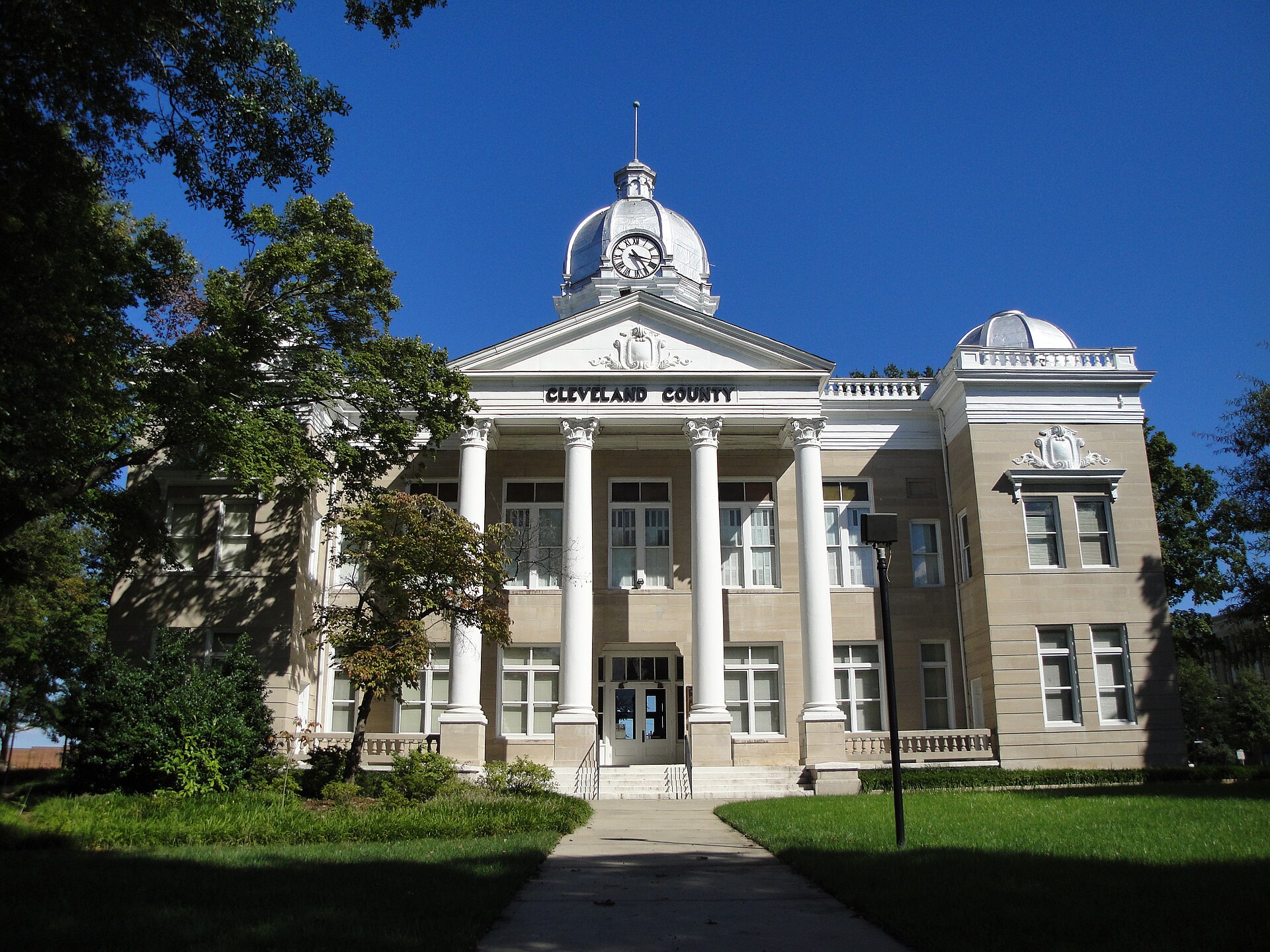
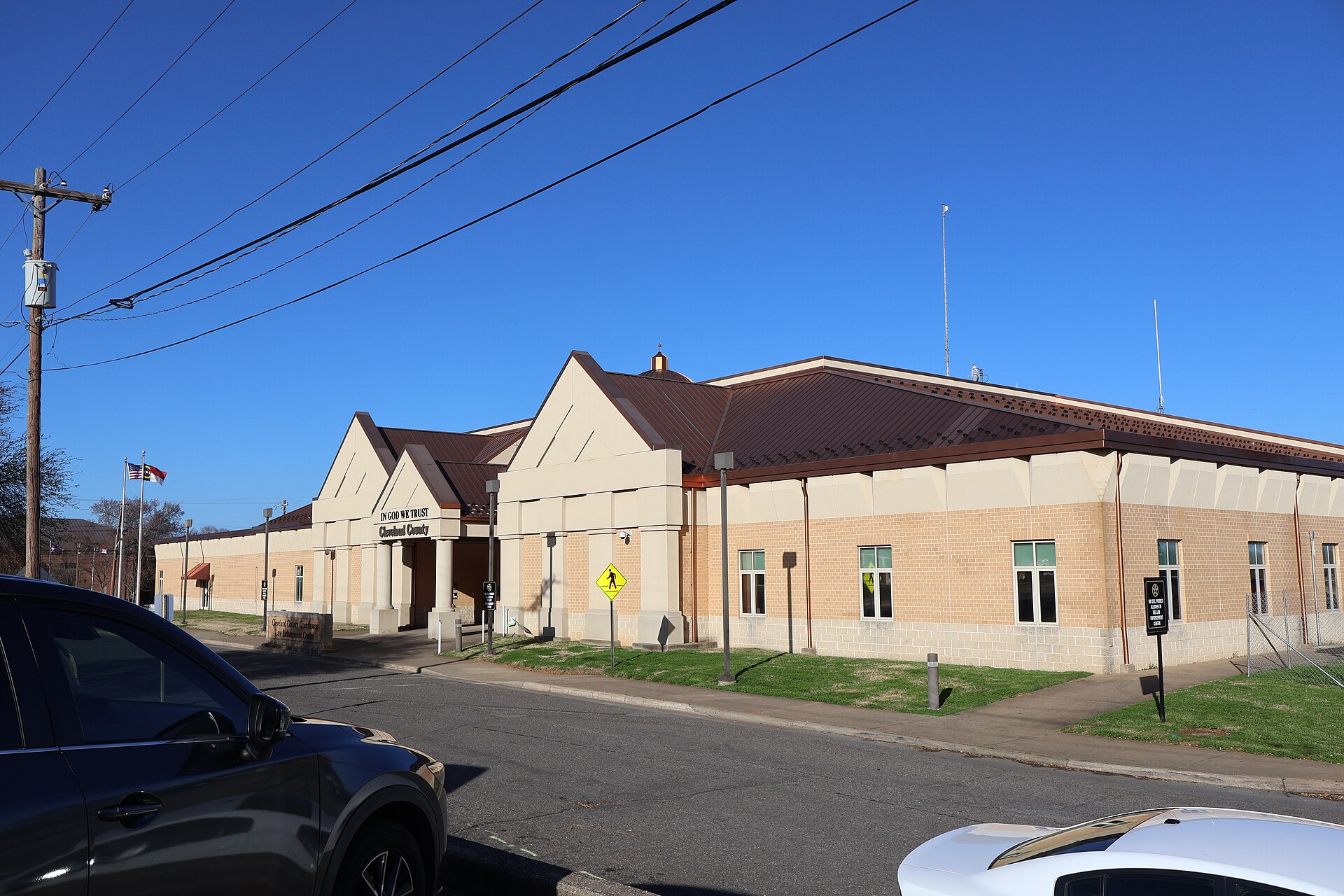
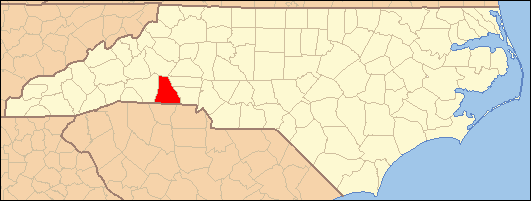
What’s new
- Kings Mountain–area Piedmont with textile growth and a hard SC border.
- Formation 1841 from Rutherford, Lincoln — for pre-formation events, use the parent jurisdiction’s paper (not later Anson-only catalogs).
- Seat: Shelby · Neighbors: Rutherford, Gaston, Lincoln, Burke.
- Methods: Start here · Master guide.
Rutherford or Lincoln may hold the earlier record for a Cleveland family. Cleveland County was created from parts of those counties in 1841, with Shelby as its county seat. For an ancestor living in the area before Cleveland existed, identify which parent county covered the location. A modern Cleveland address is not enough to choose an older record set. The county’s creation may change the heading under which you find a record without marking a family move. [1, 2]
The county was named for Revolutionary War colonel Benjamin Cleveland, and Shelby for Isaac Shelby. Other communities identified by the North Carolina History Project include Grover, Earl, Belwood, Mooreboro and Boiling Springs. Keep those place-names attached to the documents that use them; do not replace every residence with “Shelby.” [2]
Begin with a record you can name
The North Carolina Room at the Eugenia H. Young Memorial Library publishes a useful description of its collection. It lists Cleveland County deeds, wills, births, voter records and tax lists on microfilm, along with census information, family history files, city directories, phone books and historic maps. Some neighboring-county and neighboring-state material is included too. These are collection categories, not promises of complete year-by-year coverage. [3]
Choose the next search from the question:
- Where did this household live? Compare a census entry with a directory or map from a suitable date. Preserve the difference between a residence and a mailing address.
- Who held the land? Start with a deed reference and read the document. Copy the parties, witnesses, recording details and land description.
- Who belonged to the family? Compare wills and other estate evidence with independent records. Record explicit relationships separately from possible connections.
- When did someone die? Compare a newspaper notice, burial evidence and a relevant civil or estate record. If dates differ, keep both readings until you can explain why.
The library’s family history files can offer leads, but a compiled family account is not automatically proof of every relationship it contains. Preserve the compiler’s name and any cited evidence. An uncited statement can remain a useful question without becoming a fact in your own account.
Follow a tract back into the parent counties
A Cleveland deed may point to an earlier Rutherford or Lincoln record. Follow the actual reference and compare descriptions, not only surnames. Watercourses, roads and adjoining owners can help distinguish properties. If a family appears on both sides of the county change, ask whether it is the same tract before describing the event as migration.
For an inheritance, read the estate as a group of documents when possible. An administrator, guardian, purchaser and heir have different roles. A purchaser at an estate sale may be a neighbor rather than a relative. Copy the role first and use additional evidence to test the relationship.
The State Archives’ County Records Guide lists Cleveland, Rutherford and Lincoln. It separates original records and microfilm and arranges holdings by series, including land, courts, estates, marriage, tax and wills. Use the appropriate county and period to choose your next search. Holdings change, so check present access rather than relying on an older bibliography alone. [4]
Before a North Carolina Room visit
The library says North Carolina Room material is not available for checkout. Its website distinguishes walk-in hours from appointments and explains that appointments depend on staff availability. Check the current arrangements before traveling, especially if you need a microfilm machine or a particular item. The library also explains that staffing and funding limit extensive research on a patron’s behalf. [3]
Bring a short list of questions with the names, dates and references already known. Save enough detail from each result to repeat the search: repository, series or title, volume or reel, page or image and search date. A well-defined gap in the evidence is more useful than a long list of same-name entries whose connections are still uncertain.
Sources
Accessed November 9, 2026 EST. Repository ranges describe listed holdings, not issue-level or reel-level completeness.
- NCpedia, “Cleveland County,” Encyclopedia of North Carolina. County history and formation. https://www.ncpedia.org/geography/cleveland
- Jonathan Martin, North Carolina History Project, “Cleveland County (1841).” Formation, parent counties, county seat, names and communities. https://northcarolinahistory.org/encyclopedia/cleveland-county-1841/
- Cleveland County Library, “Genealogy & Local History.” North Carolina Room location, collection categories, newspaper range and access arrangements. https://www.clevelandcounty.com/main/departments/library/genealogy___local_history.php
- State Archives of North Carolina, “County Records Guide.” County entries and arrangement. https://archives.ncdcr.gov/researchers/collections/government-records/county-records-guide
In-depth topics
Towns & communities
History notes
Cleveland County (formed 1841 from Rutherford, Lincoln; seat Shelby) is a research problem defined by Kings Mountain area Piedmont with textile growth and a hard SC border. Parent Rutherford/Lincoln contexts matter for early events. SC Cherokee/York corridors regularly complete surnames.
Record availability matrix
| Record type | Coverage | Years (approx.) | Notes |
|---|---|---|---|
| Federal census | good | 1841–1950 | Federal schedules for NC; place each household in the correct county for that decade. Before 1841, people will not be labeled Cleveland—use Rutherford, Lincoln. Parent-jurisdiction notes apply only to pre-formation events—not to post-formation federal census rows. Township and city-ward labels change; re-pin every decade. |
| Birth records | sparse | 1913– | Statewide NC birth registration is late (roughly 1913–1915 for civil strength). Use delayed births, church registers, Bibles, and census for earlier Cleveland generations—not parent-county “civil vitals.” |
| Marriage records | partial | 1841– | County marriage records improve in the 19th–20th centuries after formation (1841); earlier events often appear in church books, bonds, newspapers, or Rutherford, Lincoln. Confirm event-year jurisdiction vs modern address. |
| Death records | partial | 1913– | Death certificates denser after statewide registration (~1913–1915+). Earlier Cleveland deaths via obituaries, church burial, probate, and cemeteries. |
| Land & deeds | good | 1841– | Record-loss / thin-series note: Formed 1841 from Rutherford/Lincoln. Pre-formation multi-parent; SC border FAN clubs appear in land and newspaper work. Cleveland deed/Register of Deeds series typically begin near formation (1841); pre-1841 land lives under Rutherford, Lincoln. Colonial grants/plats may predate the county at State Archives of North Carolina. Always verify book/page gaps; abstract witnesses and neighbors. |
| Probate & estates | good | 1841– | Record-loss / thin-series note: Formed 1841 from Rutherford/Lincoln. Pre-formation multi-parent; SC border FAN clubs appear in land and newspaper work. Wills, administrations, inventories, and equity are core after 1841; pre-formation estates under Rutherford, Lincoln. Abstract bondsmen, sales, and widows’ petitions for FAN clubs. Pair thin years with newspaper legal notices and Archives microfilm. |
| Church & parish | partial | varies | Church coverage varies by denomination and survival. Baptisms, membership, and burial registers often beat early civil vitals; check local societies and denominational archives. |
| Newspapers | varies | varies | Shelby and local weeklies, plus larger regional papers for legal notices and obituaries. Verify actual title runs on DigitalNC and Chronicling America before citing continuous coverage. |
| Military | good | 1775– | Revolutionary through 20th-century service may generate pensions, CMSRs, militia notes, and wartime claims. Pair unit research with Cleveland place context and neighboring counties when companies recruited across lines. |
| Cemeteries | partial | varies | Published surveys, Find a Grave, churchyards, and family plots. Unmarked burials are common—use obituaries, church books, and land descriptions. |
| Court records | partial | 1841– | Record-loss / thin-series note: Formed 1841 from Rutherford/Lincoln. Pre-formation multi-parent; SC border FAN clubs appear in land and newspaper work. Common pleas, sessions, and other court series often begin near formation (1841); equity may sit with or near probate. Pre-1841 under Rutherford, Lincoln. |
| Tax lists | sparse | varies | Tax lists can substitute for missing census years and thin deed decades. Coverage is uneven by locality and year—check State Archives of North Carolina and published abstracts. |
Newspapers
Cemeteries & burial research
- Sunset Cemetery
- Cleveland County cemeteries (Find a Grave / surveys)
Societies & repositories
Vital records
North Carolina statewide vital registration expanded in the early 20th century. For many Cleveland County families you will rely on marriage bonds, church registers, Bible records, newspapers, delayed births, and probate—not only a modern certificate.
Research starting points
Courthouse & contacts
The county seat is Shelby. Confirm current Register of Deeds, Clerk of Superior Court, and library hours before visiting—offices move and digital portals change.
Public library: Cleveland County Memorial Library
Record-loss / series note: Formed 1841 from Rutherford/Lincoln. Pre-formation multi-parent; SC border FAN clubs appear in land and newspaper work.
If not found here, try…
- Formed 1841
- Parent / earlier jurisdiction Rutherford, Lincoln — check district-era records before this county existed (districts guide).
Neighboring counties (deeds, marriages, newspapers, and kin often cross the line):
What to do next
Local history & events
Sources & further reading
- NCpedia — Cleveland County
- David Leroy Corbitt, The Formation of the North Carolina Counties, 1663–1943
- William S. Powell, The North Carolina Gazetteer
- State Archives of North Carolina
- DigitalNC — Cleveland County
- Chronicling America (Library of Congress)
- FamilySearch Wiki · NCGenWeb