Pitt County Genealogy
- Formed 1760
- Parent county / earlier Beaufort
- County seat Greenville
- Neighbors Beaufort, Craven, Lenoir, Greene, Wilson, Edgecombe, Martin
Photos & maps
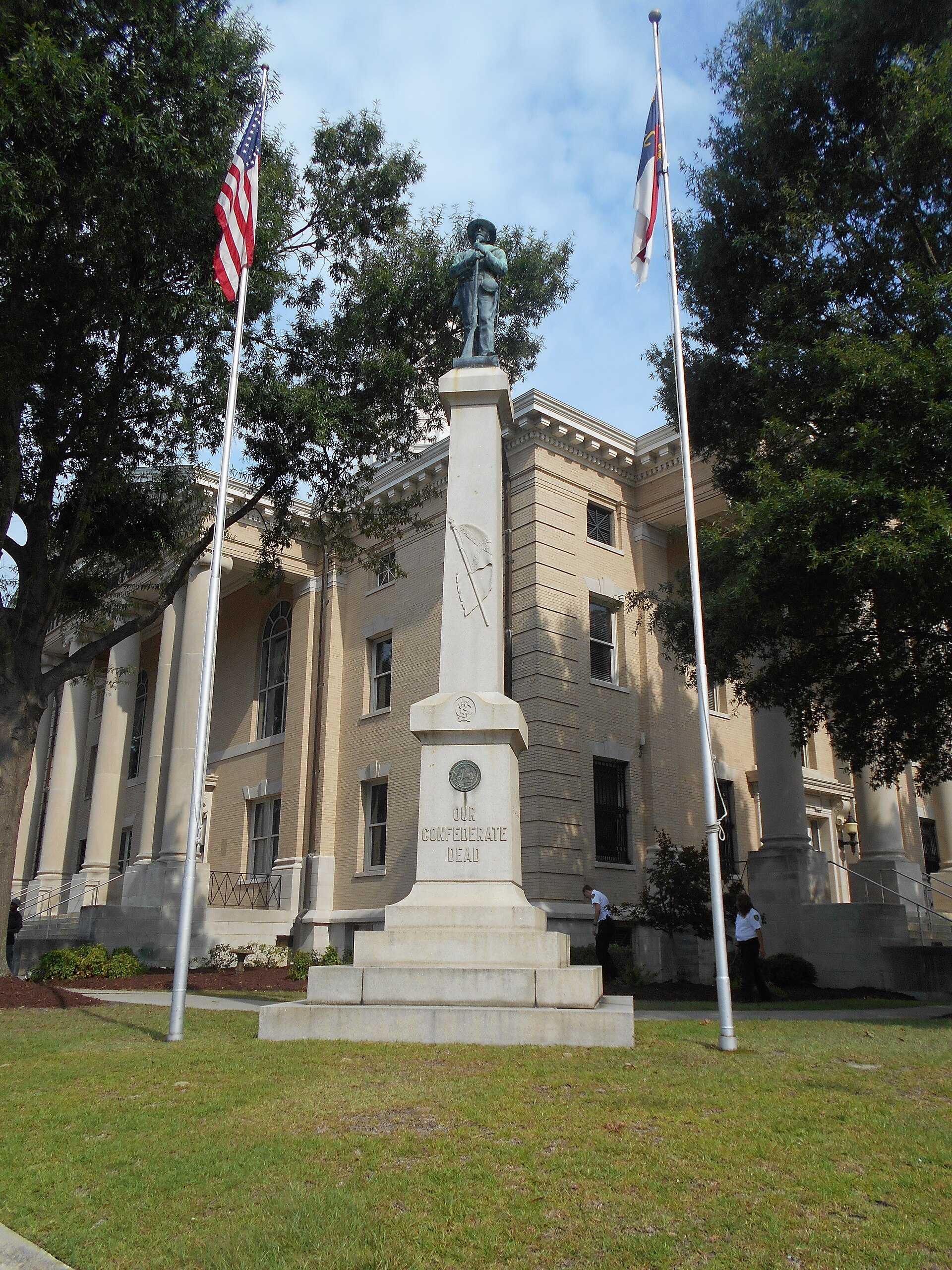
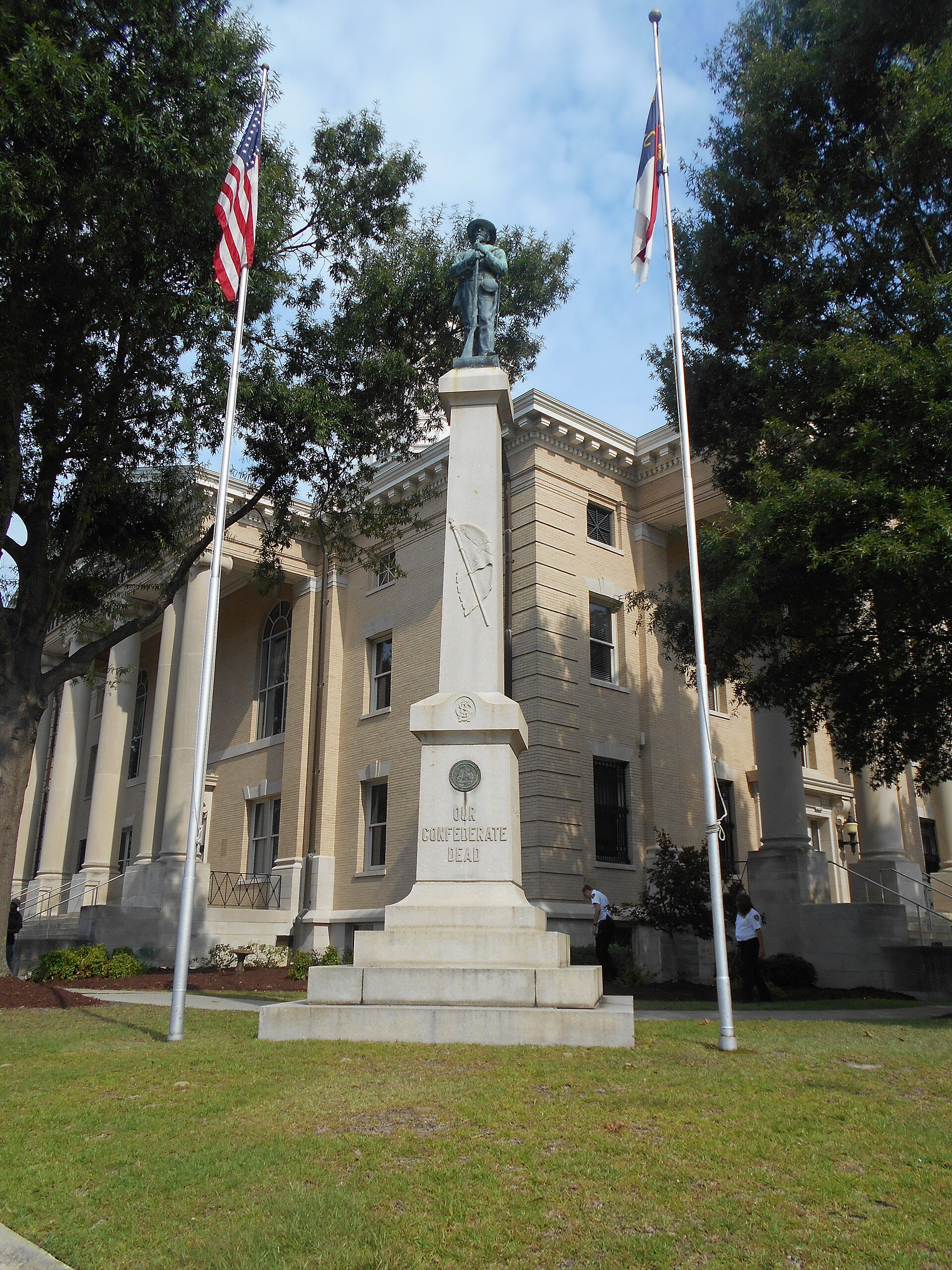
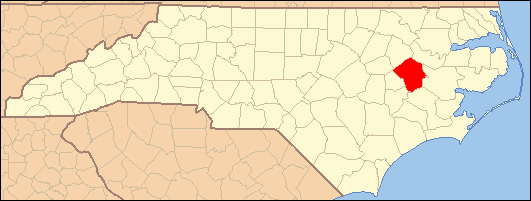
What’s new
- Flagship hub: farm vs Greenville university/market layers.
- Neighbors: Beaufort · Martin · Edgecombe · Greene · Lenoir · Wilson.
- Local history: Sheppard Memorial / regional library materials + DigitalNC.
Pitt County was formed in 1760 from Beaufort. The county seat is Greenville. Neighboring counties include Beaufort, Craven, Lenoir, Greene, Wilson, Edgecombe, Martin.
This hub combines a modern research floor—record matrix, towns, repositories, news—with local history narrative. For events before the county’s formation year, open the parent jurisdiction that owned that year—not a later statewide vital series or Anson-only catalog.
Pitt county was created in 1760 (the legislation went into effect in 1761) from Beaufort County. It was named for William Pitt the Elder, an English member of the House of Commons, orator, statesman and Secretary of State for the Southern Department.
The county seat of Pitt County is Greenville. Pitt County is divided into the following townships: Arthur, Ayden, Belvoir, Bethel, Black Jack, Carolina(Stokes), Chicod, Falkland, Farmville, Fountain, Greenville, Grifton, Grimesland, Pactolus, Simpson, Swift Creek, and Winterville.
Attractions in Pitt County include: Shiloh Farm, East Carolina Village of Yesteryear, Ledonia Wright Cultural Center, May Museum and Farmville Heritage Center.
In-depth topics
Towns & communities
History notes
Pitt County (formed 1760; seat Greenville) is a coastal-plain research problem with two faces: agricultural neighborhoods that leave land and probate trails, and a university/market-town layer that demands directories, campus-adjacent churches, and denser newspapers. Treating every Pitt ancestor as “Greenville” (or never Greenville) is how brick walls form.
Pin community first—farm districts, crossroads churches, or town wards—then open the matching record class. Parent and neighbor strategy still matters: events can spill into Beaufort, Martin, Edgecombe, Greene, Lenoir, and Wilson. Formation notes on this hub beat modern mental maps.
African American research should combine 1870 bridges with church/burial evidence and estate context when available. Tobacco-market decades create newspaper and directory density that often outpaces rural courthouse vitals.
Session order: person + year + place as written → formation/parent check → census FAN club → land/probate in correct years → church/cemetery → Greenville newspapers/directories when urban → neighbors. Guides: Start here · Master guide.
University and tobacco-market density after about 1880 rewards newspaper and directory work; rural districts still need neighborhood churches. Free path: Start here · Newspapers.
Record availability matrix
| Record type | Coverage | Years (approx.) | Notes |
|---|---|---|---|
| Federal census | good | 1790–1950 | Federal schedules after formation; pre-1760 is Beaufort. Re-pin each decade as townships change. |
| Birth records | sparse | 1913– | Late civil; church and cemetery substitutes earlier. |
| Marriage records | partial | 1760– | Improve in 19th–20th centuries; earlier church/bond. |
| Death records | partial | 1913– | Certificates denser after statewide registration; obituaries earlier. |
| Land & deeds | good | 1760– | Record-loss / thin-series note: Formed 1760 from Beaufort: Greenville market gravity and coastal-plain boundary work. Series generally usable; parent Beaufort for pre-formation. Deeds near formation; colonial grants may sit at Archives. River-corridor families spill into neighbors. |
| Probate & estates | good | 1760– | Record-loss / thin-series note: Formed 1760 from Beaufort: Greenville market gravity and coastal-plain boundary work. Series generally usable; parent Beaufort for pre-formation. Estates useful in market decades; pair with newspapers when indexes thin. |
| Church & parish | partial | varies | Church coverage varies by denomination and survival. Baptisms, membership, and burial registers often beat early civil vitals; check local societies and denominational archives. |
| Newspapers | varies | varies | Greenville and eastern weeklies—confirm DigitalNC/Chronicling America runs. |
| Military | good | 1775– | Revolutionary through 20th-century service may generate pensions, CMSRs, militia notes, and wartime claims. Pair unit research with Pitt place context and neighboring counties when companies recruited across lines. |
| Cemeteries | partial | varies | Published surveys, Find a Grave, churchyards, and family plots. Unmarked burials are common—use obituaries, church books, and land descriptions. |
| Court records | partial | 1760– | Common pleas, sessions, and other court series often begin near formation (1760); equity may sit with or near probate. Pre-1760 under Beaufort. Known disruption: 1857 fire. |
| Tax lists | sparse | varies | Tax lists can substitute for missing census years and thin deed decades. Coverage is uneven by locality and year—check State Archives of North Carolina and published abstracts. |
Newspapers
Cemeteries & burial research
- Cherry Hill / Greenville historic cemeteries
- Pitt County cemeteries (Find a Grave / surveys)
Societies & repositories
Vital records
North Carolina statewide vital registration expanded in the early 20th century. For many Pitt County families you will rely on marriage bonds, church registers, Bible records, newspapers, delayed births, and probate—not only a modern certificate.
Research starting points
Courthouse & contacts
The county seat is Greenville. Confirm current Register of Deeds, Clerk of Superior Court, and library hours before visiting—offices move and digital portals change.
Public library: Sheppard Memorial Library / Greenville-Pitt
Record-loss / series note: Formed 1760 from Beaufort: Greenville market gravity and coastal-plain boundary work. Series generally usable; parent Beaufort for pre-formation.
If not found here, try…
- Formed 1760
- Parent / earlier jurisdiction Beaufort — check district-era records before this county existed (districts guide).
Neighboring counties (deeds, marriages, newspapers, and kin often cross the line):
What to do next
Local history & events
Sources & further reading
- NCpedia — Pitt County
- David Leroy Corbitt, The Formation of the North Carolina Counties, 1663–1943
- William S. Powell, The North Carolina Gazetteer
- State Archives of North Carolina
- DigitalNC — Pitt County
- Chronicling America (Library of Congress)
- FamilySearch Wiki · NCGenWeb