Buncombe County Genealogy
- Formed 1791
- Parent county / earlier Burke, Rutherford
- County seat Asheville
- Neighbors Madison, Yancey, McDowell, Henderson, Haywood, Transylvania
Photos & maps
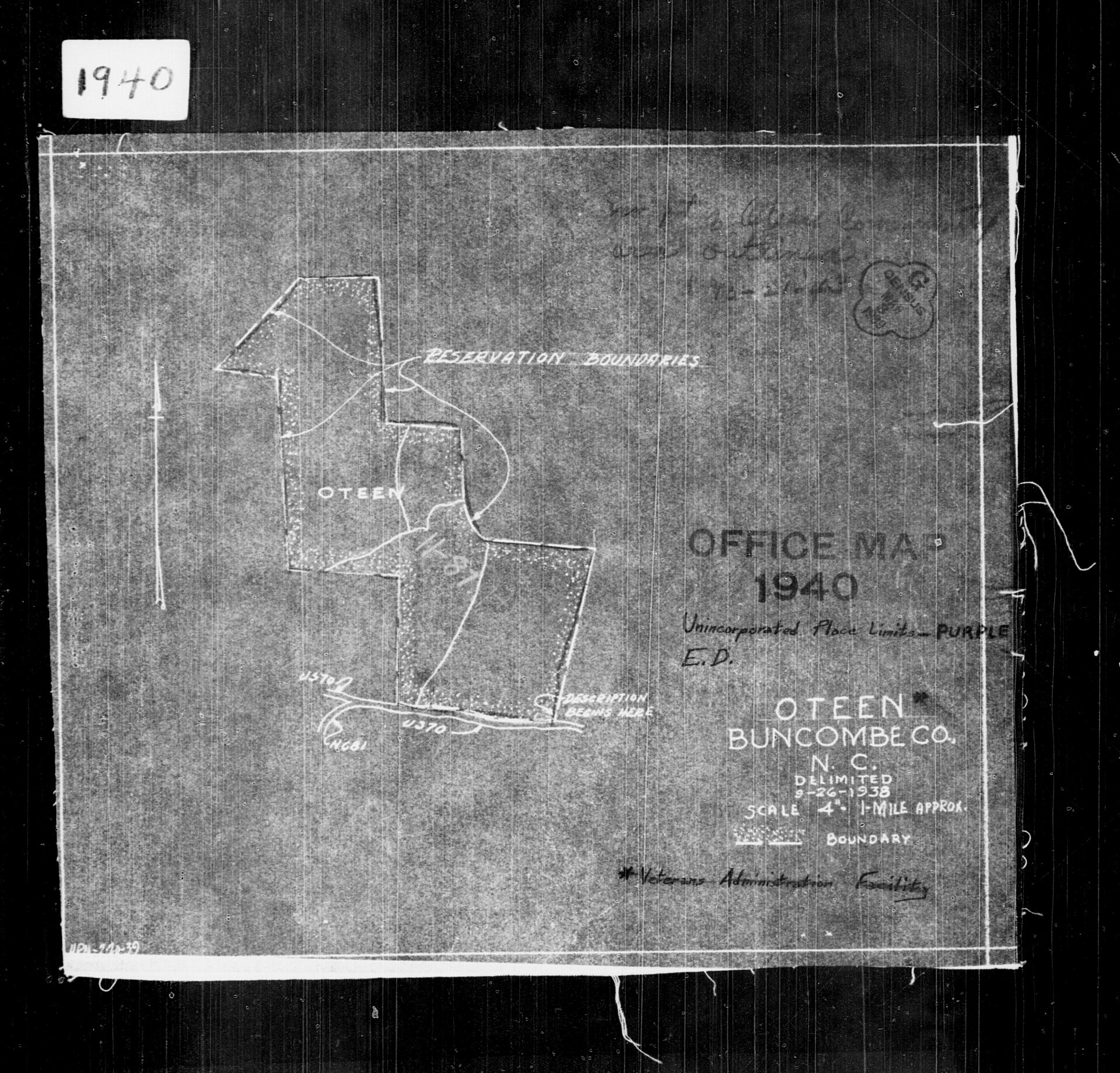

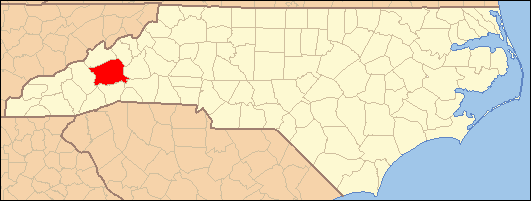
What’s new
- Flagship hub: parent strategies for mountain daughters.
- Asheville urban sources vs farm/gap land descriptions.
- Read: Mountain parent chain.
Buncombe County was formed in 1791 from Burke, Rutherford. The county seat is Asheville. Neighboring counties include Madison, Yancey, McDowell, Henderson, Haywood, Transylvania.
This hub combines a modern research floor—record matrix, towns, repositories, news—with local history narrative. For events before the county’s formation year, open the parent jurisdiction that owned that year—not a later statewide vital series or Anson-only catalog.
Buncombe County Genealogy - History, Creation and Facts
The county was formed in 1791 from parts of Burke County and Rutherford County. It was named for Edward Buncombe, a colonel in the American Revolutionary War, who was captured at the Battle of Germantown.
In 1808 the western part of Buncombe County became Haywood County. In 1833 parts of Burke County and Buncombe County were combined to form Yancey County, and in 1838 the southern part of what was left of Buncombe County became Henderson County. Finally, in 1851 parts of Buncombe County and Yancey County were combined to form Madison County.
Buncombe County has contributed a word to the English language. In the Sixteenth Congress, after lengthy debate on the Missouri Compromise, members of the House called for an immediate vote on that important question. Instead, Felix Walker, whose district included Buncombe County, rose to address his colleagues, insisting that his constituents expected him to make a speech "for Buncombe." It was later remarked that Walker's untimely and irrelevant oration was not just for Buncombe--it "was Buncombe." Thus, "buncombe," afterwards spelled "bunkum" and then shortened to "bunk," became a term for empty, nonsensical talk. NCpedia / formation references (verify with Corbitt)
Buncombe county is the father (mother?) of all of the western counties. Originally, it's dimensions were so vast, it was referred to as the "state" of Buncombe. The County seat of Buncombe County is Asheville. The county currently is split into the following townships: Asheville, Avery Creek, Black Mountain, Broad River, Fairview, Flat Creek, French Broad, Ivy, Leicester, Limestone, Lower Hominy, Reems Creek, Sandy Mush, Swannanoa, and Upper Hominy.
Among the notable locations in Buncombe County: The Biltmore Estate, Grove Park Inn, Thomas Wolfe House, Vance Birthplace, the Folk Art Center (located on the Blue Ridge Parkway), Pisgah National Forest, and the Grove Arcade, Basilica of St. Lawrence. Asheville has a great Urban Trail with markers in a self guided tour.
The Old Buncombe County Genealogical Society
P.O. Box 2122
Asheville, NC 28802
covers the counties that Buncombe originally entailed which is most of current Western North Carolina. (covers present day Buncombe, Cherokee, Clay, Graham, Haywood, Henderson, Jackson, Macon, Madison, Swain, and Transylvania Counties)
Buncombe County Courthouse
60 Courthouse Plaza
Asheville, NC 28801
Probably the best public library for research in the county. (Some other libraries in the Asheville Buncombe system have specific content to the town, such as the Weaverville library.)
Pack Memorial Library
67 Haywood Street
Asheville, NC. 28801
If you're interested in Weaverville history and visiting. There is the Dry Ridge Museum which is in the basement of the Library in Weaverville on Main Street. Neat collection of photos, books, etc.
Weaverville Branch of Asheville-Buncombe Library System
41 N. Main Street
Weaverville, NC 28787
The Church of Jesus Christ of Later-Day Saints has a reading room at their Church building on Sweeten Creek Rd. in the Arden area.
Buncombe County Genealogy - Records
Buncombe County Genealogy - Other Resources
Query Forums
In-depth topics
Towns & communities
History notes
Buncombe County (formed 1791; seat Asheville) is the western parent milestone for mountain research. Later counties inherit Buncombe parent problems—always check formation tables before a modern-only search in Henderson, Haywood, Madison, Yancey, and beyond.
Asheville directories and newspapers help urban and tourism decades; farm corridors still need land, probate, and church books described by creek and gap. Tourism and health-resort households may leave thin local trails but rich origin-state records (including Lowcountry SC seasonal residents in neighboring Henderson).
Cherokee land-cession context requires careful primary sources—see the Indigenous research guide. Corridor map: Mountain parent chain.
Asheville’s late-19th and early-20th-century boom means many “Buncombe” problems after about 1880 are address and employer problems—directories, boarding houses, railroad jobs, and resort service work. Mountain farm families in the same county still leave paper in creek-and-gap land descriptions and small churches that never appear in city books. Always pin community before you pick a record class.
Session order: formation check (especially for daughter counties) → census FAN club → land/probate in correct years → Asheville directories/newspapers when urban → church/cemetery for pre-vitals → State Archives and DigitalNC substitutes. Free path: Start here · Master guide.
Record availability matrix
| Record type | Coverage | Years (approx.) | Notes |
|---|---|---|---|
| Federal census | good | 1791–1950 | Federal schedules after formation; place mountain households carefully. Pre-1791 people will not be “Buncombe” on census—use parent geography only for pre-formation research, not as a blanket matrix note on every row. |
| Birth records | sparse | 1913– | Late civil vitals; church books and cemetery surveys critical pre-1913. |
| Marriage records | partial | 1791– | County series after formation; earlier in parent jurisdictions and church books. |
| Death records | partial | 1913– | Certificates denser after statewide registration; mountain churchyards and obituaries fill earlier gaps. |
| Land & deeds | good | 1791– | Record-loss / thin-series note: Western gateway county (formed 1791): pre-formation research sits in Burke/Rutherford contexts. Mountain metes-and-bounds need careful abstracting; ridge families often spill into neighbors. Post-1791 deed series are primary; pre-formation land in Burke/Rutherford contexts. Mountain metes need careful abstracting and neighbor checks. |
| Probate & estates | good | 1791– | Record-loss / thin-series note: Western gateway county (formed 1791): pre-formation research sits in Burke/Rutherford contexts. Mountain metes-and-bounds need careful abstracting; ridge families often spill into neighbors. Estates and guardian bonds high value; search neighbor counties for ridge and river-corridor families when files are thin. |
| Church & parish | partial | varies | Church coverage varies by denomination and survival. Baptisms, membership, and burial registers often beat early civil vitals; check local societies and denominational archives. |
| Newspapers | varies | varies | Asheville papers and western weeklies via DigitalNC and State Archives/State Library holdings—confirm run dates. |
| Military | good | 1775– | Revolutionary through 20th-century service may generate pensions, CMSRs, militia notes, and wartime claims. Pair unit research with Buncombe place context and neighboring counties when companies recruited across lines. |
| Cemeteries | partial | varies | Published surveys, Find a Grave, churchyards, and family plots. Unmarked burials are common—use obituaries, church books, and land descriptions. |
| Court records | partial | 1791– | Common pleas, sessions, and other court series often begin near formation (1791); equity may sit with or near probate. Pre-1791 under Burke, Rutherford. Known disruption: 1830 fire; 1865 fire. |
| Tax lists | sparse | varies | Tax lists can substitute for missing census years and thin deed decades. Coverage is uneven by locality and year—check State Archives of North Carolina and published abstracts. |
Newspapers
- Asheville Citizen-Times lineage
- DigitalNC holdings — all Buncombe titles
- Highland Messenger
- The Asheville News and Mountain Farmer
- Asheville Spectator
- North Carolina Christian Advocate
- Weekly Pioneer
- The Semi-Weekly Citizen
- Western Expositor
- The Asheville News
- The Asheville Advance
- Asheville Citizen
- The Asheville Democrat
- The Morning Gazette
- Fuller’s Gleaner
- The Asheville Register
- The Times
- The Asheville Times
- The Western Enterprise
- Weaver College Student Newspaper
- Montreat College Student Newspaper
- The Southern News
- The Black Mountain News
- Community Connections
- Green Line
- Mountain Xpress
- Asheville Global Report
Structured transcriptions
-
Buncombe County Deed & Grant Abstracts (USGenWeb Archives)
Grantor Grantee Year Book:page State of North Carolina (grant) Sorrells, Joseph & Forster, Thomas 1798 4:584 State of North Carolina (entry) Potts, John (heirs) 1799 — (locate on film)
Cemeteries & burial research
- Riverside Cemetery
- Newton Academy Cemetery
- Buncombe County cemeteries (Find a Grave / surveys)
Societies & repositories
Vital records
North Carolina statewide vital registration expanded in the early 20th century. For many Buncombe County families you will rely on marriage bonds, church registers, Bible records, newspapers, delayed births, and probate—not only a modern certificate.
Research starting points
- Buncombe County Government
- Pack Memorial Library / Buncombe County Public Libraries
- Western North Carolina Historical Association
- Western North Carolina Historical Association
- FamilySearch Wiki — Buncombe County
- NCGenWeb — Buncombe
- State Archives of North Carolina
- DigitalNC
- Start here research guide
- Full directory
Courthouse & contacts
The county seat is Asheville. Confirm current Register of Deeds, Clerk of Superior Court, and library hours before visiting—offices move and digital portals change.
Public library: Buncombe County Public Libraries
Record-loss / series note: Western gateway county (formed 1791): pre-formation research sits in Burke/Rutherford contexts. Mountain metes-and-bounds need careful abstracting; ridge families often spill into neighbors.
If not found here, try…
- Formed 1791
- Parent / earlier jurisdiction Burke, Rutherford — check district-era records before this county existed (districts guide).
Neighboring counties (deeds, marriages, newspapers, and kin often cross the line):
Local history & events
- Veterans History Museum of the Carolinas searches for new home - WLOS
- Tombstone Tales: A Revolutionary War veteran’s grave in Mitchell County tells a WNC story for July Fourth - 828 News Now
- Many of Henderson County's first US settlers were Revolutionary veterans - BlueRidgeNow.com
- North Carolina Arboretum event celebrates monarch migration, Hispanic Heritage Month - WLOS
Sources & further reading
- NCpedia — Buncombe County
- David Leroy Corbitt, The Formation of the North Carolina Counties, 1663–1943
- William S. Powell, The North Carolina Gazetteer
- State Archives of North Carolina
- DigitalNC — Buncombe County
- Chronicling America (Library of Congress)
- FamilySearch Wiki · NCGenWeb