Catawba County Genealogy
- Formed 1842
- Parent county / earlier Lincoln
- County seat Newton
- Neighbors Lincoln, Iredell, Alexander, Caldwell, Burke, Cleveland, Gaston
Photos & maps
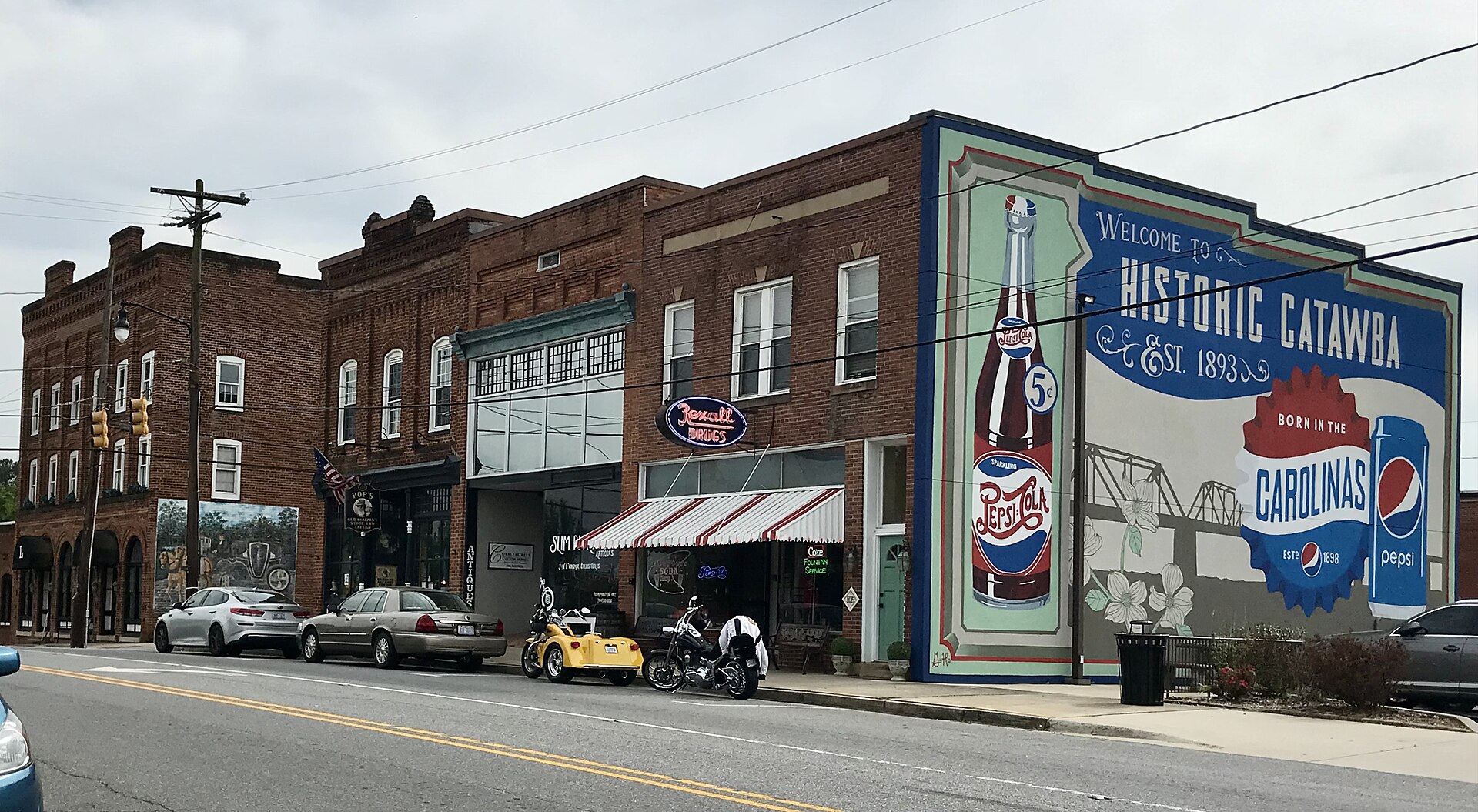
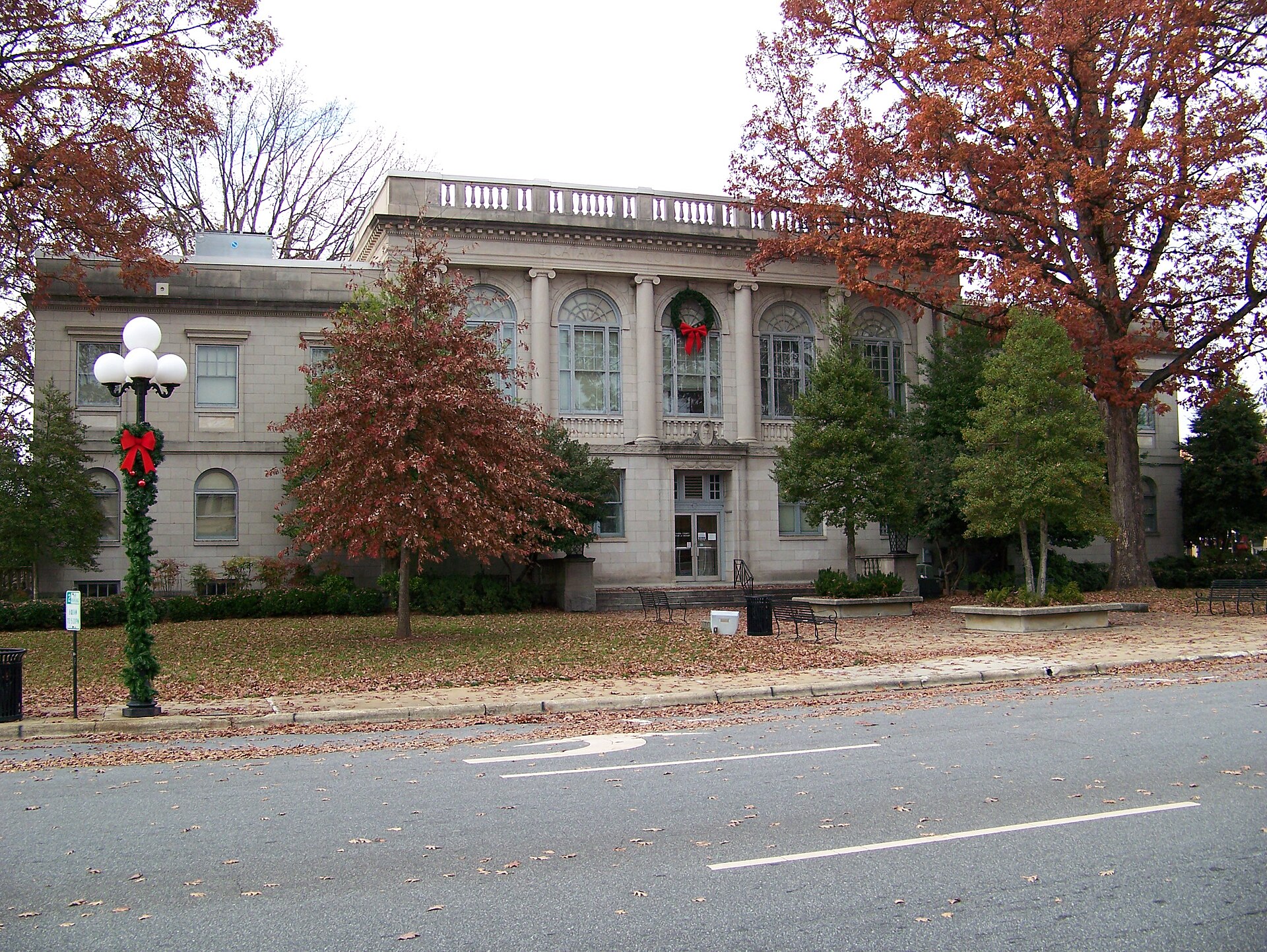
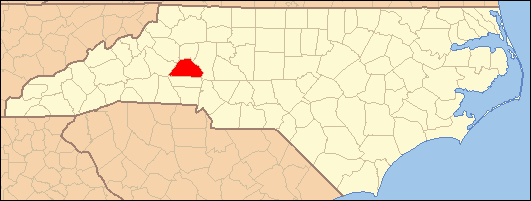
What’s new
- German settlement memory with Hickory furniture and industrial corridors.
- Formation 1842 from Lincoln — for pre-formation events, use the parent jurisdiction’s paper (not later Anson-only catalogs).
- Seat: Newton · Neighbors: Iredell, Lincoln, Burke, Caldwell, Alexander.
- Methods: Start here · Master guide.
If your family was living in what is now Catawba County before 1842, a search limited to Catawba can miss the right courthouse. The county was formed from Lincoln County by an act ratified December 12, 1842. Start the earlier search in Lincoln, then follow the record trail into Catawba. [1]
Court business did not all change hands at once. A supplemental act ratified January 14, 1843 directed transfers of certain pending county-court matters and kept some Superior Court business under Lincoln’s jurisdiction until Catawba had its own Superior Court. For a case that crosses the changeover, check both counties rather than relying on the year alone. The county’s creation and the handling of an existing court action were not the same event. [1]
A practical starting place in Newton
The Catawba County Library’s published Rhodes Room resource list gives a researcher specific books to request. It includes genealogy and history books, neighboring-county records and material for tracing ancestors before their arrival in North Carolina. The list is a guide to a collection, not a guarantee that a particular book is available at the moment you arrive. [2]
Choose a resource that fits the question:
- A nineteenth-century marriage: Catawba County North Carolina Marriages 1842-1900, compiled by the Catawba County Genealogical Society. Use a finding as a lead to the underlying record.
- A household in the middle of the century: the society’s listed compilations cover the 1850, 1860, 1870 and 1880 Catawba censuses. Compare more than one census before assigning a relationship.
- A burial: Catawba County Cemeteries, nine volumes and an index. Record the volume and page, then compare the entry with independent evidence.
- A marriage before Catawba existed: Curtis Bynum’s Marriage Bonds of Tryon and Lincoln Counties, North Carolina. The older jurisdiction in the title is a reason to investigate, not a reason to assume every person in the book lived in today’s Catawba. [2]
Work from a compilation back to its evidence
A local book can save time, especially when it points to a difficult-to-read name or a smaller community. Keep its title, compiler, page and stated source. Then seek the original or image it describes. A transcription and an original record are two different sources even when they agree word for word.
For a census lead, compare names, ages, birthplace entries and the surrounding household. A similar name in two decades is not enough to join the entries. For a cemetery lead, distinguish a modern transcription from an inscription you have examined and from a contemporaneous burial record. If the dates differ, preserve the conflict rather than selecting whichever one fits a family tree.
The Rhodes Room list also includes Lorena Shell Eaker’s German Speaking People West of the Catawba River in North Carolina 1750-1800. Consult that title when the family’s documents lead to that place and period. It is not evidence of an ancestor’s language or origin merely because the family lived in the county. [2]
Use land to connect Lincoln and Catawba
For a family present around the county division, compare land descriptions across the change. Copy creeks, roads, adjoining owners and earlier deed references as written. Keep transaction and recording dates separate. A later Catawba deed may refer to an earlier document, but read the reference and obtain it rather than assuming which Lincoln tract it concerns.
Where land passed through an estate, set the deeds beside the estate papers. Record the roles assigned to each person: heir, executor, guardian, witness or purchaser. A role can suggest the next search without establishing a relationship. This approach is more reliable than attaching every local occurrence of a surname to one household.
When the local book is not enough
The State Archives of North Carolina’s County Records Guide lists Catawba and Lincoln. It separates original records from microfilm copies and organizes holdings by series, including courts, estates, land, marriage, tax and wills. Open the entry appropriate to the date and question. The guide says holdings change as records are transferred and film is added. [3]
Before traveling, ask about the exact volume, reel or series you need and the arrangements for consulting it. The existence of a book in a library bibliography does not establish that all its source records are online. Likewise, a broad series date range does not prove every year or household is represented.
Finish each search with enough detail to repeat it. Note the repository, title or series, volume, page or image, spellings and result. Keep the compilation where you found the lead and the underlying record you later examined as separate citations. That small discipline helps when a new clue moves the search from Catawba back into Lincoln or farther along the family’s documented path.
Sources
Accessed November 9, 2026 EST. No unverified current shelf availability or uninterrupted original-record range is asserted.
- J. D. Lewis, Carolana, transcription of Laws of North Carolina, 1842 to 1843, chapters VIII and IX, pages 8 to 13. Creation act and supplemental act, particularly sections III and IV. Derivative statutory transcription. https://www.carolana.com/NC/Counties/1842_NC_Legislative_Act_to_Establish_Catawba_County.html
- Catawba County Library, “Genealogy Resources.” Repository list supporting each named title and stated coverage. https://www.catawbacountync.gov/library/gen/resources.asp
- State Archives of North Carolina, “County Records Guide.” County entries and series organization. https://archives.ncdcr.gov/researchers/collections/government-records/county-records-guide
In-depth topics
Towns & communities
History notes
Catawba County (formed 1842 from Lincoln; seat Newton) is a research problem defined by German settlement memory with Hickory furniture and industrial corridors. Parent Lincoln is essential for pre-1842 events. Factory decades need directories; farm decades need land and church books.
Record availability matrix
| Record type | Coverage | Years (approx.) | Notes |
|---|---|---|---|
| Federal census | good | 1842–1950 | No Catawba label before formation—use Lincoln. After 1842, re-pin each decade. |
| Birth records | sparse | 1913– | Late civil; church substitutes earlier. |
| Marriage records | partial | 1842– | Post-1842 series; earlier Lincoln/church/bond. |
| Death records | partial | 1913– | Certificates denser after statewide registration; church and obituaries earlier. |
| Land & deeds | good | 1842– | Record-loss / thin-series note: Formed 1842 from Lincoln: Hickory/Newton growth is late; early families sit in Lincoln (and earlier). Post-1842 deeds; pre-formation Lincoln. Furniture/mill decades add city directory density later. |
| Probate & estates | good | 1842– | Record-loss / thin-series note: Formed 1842 from Lincoln: Hickory/Newton growth is late; early families sit in Lincoln (and earlier). County estates after formation; earlier Lincoln. Abstract witnesses thoroughly. |
| Church & parish | partial | varies | Church coverage varies by denomination and survival. Baptisms, membership, and burial registers often beat early civil vitals; check local societies and denominational archives. |
| Newspapers | varies | varies | Hickory/Newton papers—confirm DigitalNC runs before citing continuous coverage. |
| Military | good | 1775– | Revolutionary through 20th-century service may generate pensions, CMSRs, militia notes, and wartime claims. Pair unit research with Catawba place context and neighboring counties when companies recruited across lines. |
| Cemeteries | partial | varies | Published surveys, Find a Grave, churchyards, and family plots. Unmarked burials are common—use obituaries, church books, and land descriptions. |
| Court records | partial | 1842– | Common pleas, sessions, and other court series often begin near formation (1842); equity may sit with or near probate. Pre-1842 under Lincoln. Known disruption: No major fire on standard lists; Lincoln parent (1842). |
| Tax lists | sparse | varies | Tax lists can substitute for missing census years and thin deed decades. Coverage is uneven by locality and year—check State Archives of North Carolina and published abstracts. |
Newspapers
Cemeteries & burial research
- Oakwood / Hickory-Newton cemeteries
- Catawba County cemeteries (Find a Grave / surveys)
Societies & repositories
Vital records
North Carolina statewide vital registration expanded in the early 20th century. For many Catawba County families you will rely on marriage bonds, church registers, Bible records, newspapers, delayed births, and probate—not only a modern certificate.
Research starting points
Courthouse & contacts
The county seat is Newton. Confirm current Register of Deeds, Clerk of Superior Court, and library hours before visiting—offices move and digital portals change.
Public library: Catawba County Library
Record-loss / series note: Formed 1842 from Lincoln: Hickory/Newton growth is late; early families sit in Lincoln (and earlier).
If not found here, try…
- Formed 1842
- Parent / earlier jurisdiction Lincoln — check district-era records before this county existed (districts guide).
Neighboring counties (deeds, marriages, newspapers, and kin often cross the line):
Local history & events
Sources & further reading
- NCpedia — Catawba County
- David Leroy Corbitt, The Formation of the North Carolina Counties, 1663–1943
- William S. Powell, The North Carolina Gazetteer
- State Archives of North Carolina
- DigitalNC — Catawba County
- Chronicling America (Library of Congress)
- FamilySearch Wiki · NCGenWeb