Currituck County Genealogy
- Formed 1668
- Parent county / earlier Albemarle (colonial)
- County seat Currituck
- Neighbors Camden, Dare
Photos & maps
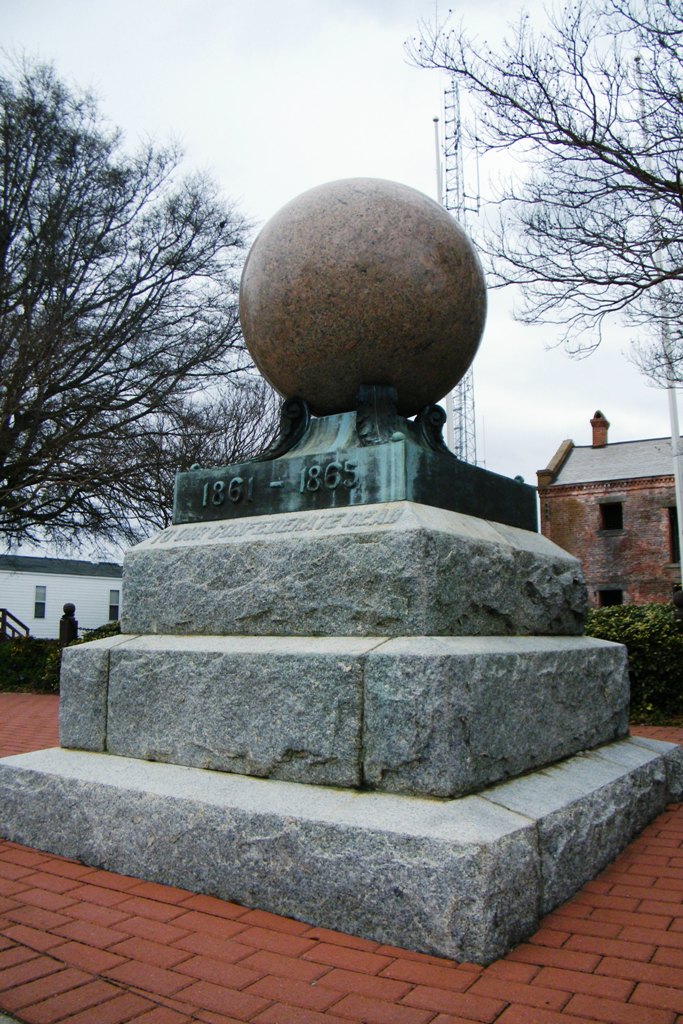
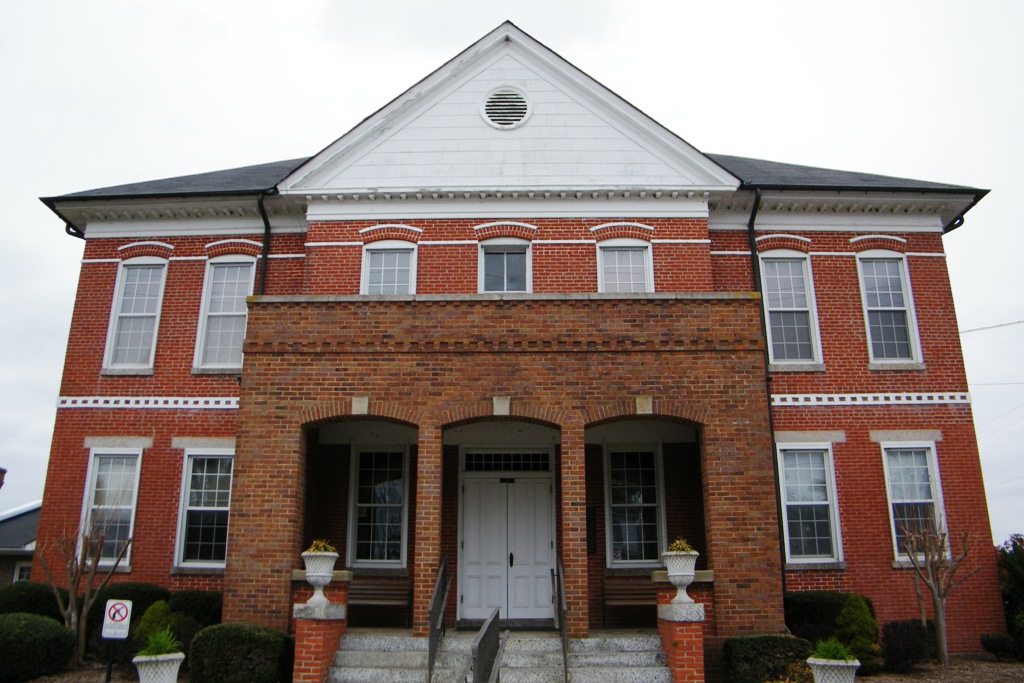
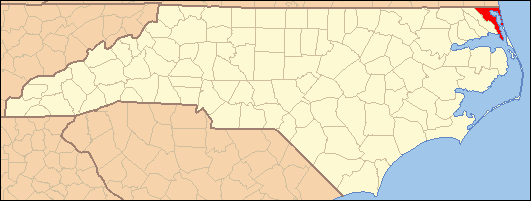
What’s new
- Outer Banks / Albemarle northeastern tip.
- Formation 1668 from Albemarle (colonial) — for pre-formation events, use the parent jurisdiction’s paper (not later Anson-only catalogs).
- Seat: Currituck · Neighbors: Camden, Dare.
- Methods: Start here · Formation · Master guide.
A Currituck place-name can describe a mainland neighborhood, an island community or a stretch of the Outer Banks. That distinction matters more than a broad county search when you are trying to put a household on a map. Currituck borders Virginia and includes territory alongside Currituck Sound, Albemarle Sound and the Atlantic. NCpedia dates the county’s formation to 1668. Do not expect one kind of record search to cover that whole history. [1]
Start by copying the place exactly as it appears in the oldest document you have. Keep “Knotts Island,” “Coinjock” or “Corolla” in your notes rather than replacing it with the county name. NCpedia identifies those communities, along with Tulls Creek and Sligo. It describes Currituck, the county seat, as an unincorporated community mentioned in records as early as 1755. A historical reference to Currituck may therefore need a second clue before you know whether the writer meant the settlement or the wider county. [1]
Put the water beside the family
A reference to a canal or lighthouse gives you something specific to date and locate. The Albemarle and Chesapeake Canal was built between 1855 and 1859 and bisects the county. Currituck Beach Lighthouse dates to 1875. These are dated landmarks, not evidence that an ancestor worked on the canal or served at the lighthouse. If a letter mentions either place, use the date and location to narrow the search before looking for a matching surname. [1]
Build a small place table with four columns: the wording in the record, the record’s date, the location you think it describes and the evidence for that identification. For a family said to have lived “near the sound,” leave the location unresolved until a deed, map or other document supplies a firmer connection. Waterways can explain a route between places, but they do not prove a move took place.
Virginia belongs in a Currituck research plan when the evidence points there. A birthplace, marriage location or named relative across the state line is a reason to investigate that particular jurisdiction. It is not a reason to combine two same-name households simply because they lived near the border. Keep the North Carolina and Virginia references separate until ages, relatives and locations support the connection.
Follow land and estates together
The State Archives’ County Records Guide includes Currituck and separates original records from microfilm copies. Within those categories it organizes material by series, including land, estates, courts, marriage, tax and wills. The guide also warns that archival holdings change as records are transferred and film is added. Use its current Currituck entry to choose a series rather than treating a county formation date as the start of every surviving book. [2]
For a land question, record both sides of the transaction and obtain the document behind the index reference. A tract description, adjoining owner or witness may help distinguish a mainland family from another household on the Banks. Keep recording dates and transaction dates separate. If an estate mentions land, compare its wording with the deed rather than assuming that every property in the file was the family’s home.
For a relationship question, read the estate as a file, not only a will. Make separate notes for a named heir, an administrator, a guardian and a purchaser. Those roles are not interchangeable. A person buying at a sale is not automatically a relative, and an administrator is not automatically a son. Let the document supply the relationship, or keep it as an open question.
A coastal archive beyond the courthouse
The Outer Banks History Center in Manteo is administered by the State Archives and collects material documenting the history and culture of the North Carolina coast and adjacent areas. Its website provides finding aids and information about research services. It is a useful second destination when the question concerns a community or coastal setting rather than a single courthouse transaction. [3]
Before requesting help, put together a short description: the person’s name and variants, an approximate date, the specific Currituck community and what you want to learn. Ask about material relevant to that place and period. The center’s regional collecting scope does not mean it holds a personal file for every coastal resident or a complete run of every newspaper.
Leave a trail another researcher can follow
Save the repository, collection or series, volume or folder, page or image and the date you searched. For a newspaper or compiled burial entry, retain the title and the individual issue or page, not just the search-results link. Record unsuccessful searches with their actual limits. “No result in this index under these spellings” is more useful than “no Currituck record exists.” The next clue may change the spelling, the community or the jurisdiction without changing the family you are following.
Sources
Accessed November 9, 2026 EST. Historical context is distinguished from recommended research methods; no individual family relationship is asserted.
- NCpedia, “Currituck County,” Encyclopedia of North Carolina. Authored county history, supporting formation, communities, geography, canal and lighthouse dates. https://www.ncpedia.org/geography/currituck
- State Archives of North Carolina, “County Records Guide.” Repository guide to original and microfilmed county records; not a guarantee of uninterrupted coverage. https://archives.ncdcr.gov/researchers/collections/government-records/county-records-guide
- State Archives of North Carolina, “Outer Banks History Center.” Repository description and research access. https://archives.ncdcr.gov/researchers/outer-banks-history-center
In-depth topics
Towns & communities
History notes
Currituck County (formed 1668 from Albemarle (colonial); seat Currituck) is a distinctive research problem: Outer Banks / Albemarle northeastern tip. Genealogists who treat every NC county the same will miss how virginia border water marriages shapes the paper trail here—and how sparse early civil series—church/neighbors first changes which record class to open first.
Pin the decade before the courthouse. Record the jurisdiction as cited in the original deed, estate, or church book—then map it to modern hubs. Neighbor FAN clubs frequently spill into Camden, Dare.
This county rewards a fixed order: census clusters with neighbors → land and probate in the correct years → church and cemetery substitutes for pre-vital generations → newspapers and directories around Currituck for 19th–20th century moves. Use the record matrix on this hub as a planning tool, not a catalog.
Virginia border FAN clubs often complete marriages and burials that look missing in NC-only indexes—log both states for the same decade.
Session order: write person + year + place as written → formation/parent check → census FAN club → land/probate → church/cemetery → newspapers/directories when town-era → neighbors listed above. Free path: Start here · formation guide · Master NC research guide. Statewide substitutes: State Archives of North Carolina · DigitalNC · NCGenWeb — Currituck.
A precinct before it was a county
Currituck began as one of the precincts of Albemarle County, and no act describing its original bounds survives; Corbitt's Formation of the North Carolina Counties says plainly that "there is no description of this precinct." Sources differ on the starting date. The State Archives gives 1670, while the revised notes in Corbitt and the NCpedia entry use 1668. Currituck Court House is mentioned as early as 1755 and remains the seat. Two later changes move land out of the county: Tyrrell was formed in 1729 partly from Currituck, and Dare was created in 1870 from Currituck, Tyrrell and Hyde. In 1919 the General Assembly also authorized a vote on moving Atlantic Township (Caffeys Inlet to Kitty Hawk) into Dare, and because the commissioners' report was lost, a 1927 act ordered the line marked again.
Missing records
The Archives is blunt about Currituck: "Many of the records of the county are missing, for reasons generally unknown," and some losses may come from a reported fire in 1842. Expect gaps, and treat any surviving court minute or deed as a lead to be squeezed for neighbors and witnesses.
Offices and archives to contact
- Currituck County Register of Deeds, Natalie R. Twiddy, Register. The office sits in the Judicial Building of the Governmental Center Complex, 2801 Caratoke Highway, Currituck, and handles deeds, marriage licenses and certified birth and death records.
- Clerk of Superior Court in the same county complex for estates and court files.
- Currituck County public libraries for local reading and research help.
- Outer Banks History Center in Manteo, a regional facility of the State Archives whose holdings document the history and culture of the North Carolina coast. That coastal focus makes it a natural stop for families from Corolla and the Currituck Banks.
Early people on the sound
NCpedia names the Pasquotank Indians as early inhabitants, followed by English and French Huguenot settlers. The county touches Virginia, Currituck Sound, Albemarle Sound and the Atlantic, and NCpedia notes that Currituck and the other communities it names, including Corolla, Coinjock, Knotts Island, Tulls Creek and Sligo, are unincorporated. The Albemarle and Chesapeake Canal, dug between 1855 and 1859, cuts across the middle of the county.
Tips for Currituck searches
- Search Virginia records as a matter of routine. The county shares a land border with Virginia, and a family missing from a thin Currituck file may be documented just over the line.
- For an ancestor on the beach strand after 1870, check Dare as well, and for the Kitty Hawk end, check both counties around the 1919 to 1927 boundary work.
- The State Archives' Cohabitation Records list Currituck (CR.030.301.9) as available, a strong source for freed couples in 1866.
- No Freedmen's Bureau office appears for Currituck in NARA M1909. The closest one listed is Elizabeth City, where William H. Doherty served from January 1867 to December 1868.
Record availability matrix
| Record type | Coverage | Years (approx.) | Notes |
|---|---|---|---|
| Federal census | good | 1790–1950 | Federal schedules for NC; place each household in the correct county for that decade. Before 1668, people will not be labeled Currituck—use Albemarle (colonial). Parent-jurisdiction notes apply only to pre-formation events—not to post-formation federal census rows. Township and city-ward labels change; re-pin every decade. |
| Birth records | sparse | 1913– | Statewide NC birth registration is late (roughly 1913–1915 for civil strength). Use delayed births, church registers, Bibles, and census for earlier Currituck generations—not parent-county “civil vitals.” |
| Marriage records | partial | 1741– | County marriage records improve in the 19th–20th centuries after formation (1668); earlier events often appear in church books, bonds, newspapers, or Albemarle (colonial). Confirm event-year jurisdiction vs modern address. |
| Death records | partial | 1913– | Death certificates denser after statewide registration (~1913–1915+). Earlier Currituck deaths via obituaries, church burial, probate, and cemeteries. |
| Land & deeds | good | 1668– | Record-loss / thin-series note: 1842 fire. Outer Banks / Albemarle research also faces coastal survival issues—pair with neighbors and Archives. Currituck deed/Register of Deeds series typically begin near formation (1668); pre-1668 land lives under Albemarle (colonial). Colonial grants/plats may predate the county at State Archives of North Carolina. Always verify book/page gaps; abstract witnesses and neighbors. |
| Probate & estates | good | 1668– | Record-loss / thin-series note: 1842 fire. Outer Banks / Albemarle research also faces coastal survival issues—pair with neighbors and Archives. Wills, administrations, inventories, and equity are core after 1668; pre-formation estates under Albemarle (colonial). Abstract bondsmen, sales, and widows’ petitions for FAN clubs. Pair thin years with newspaper legal notices and Archives microfilm. |
| Church & parish | partial | varies | Church coverage varies by denomination and survival. Baptisms, membership, and burial registers often beat early civil vitals; check local societies and denominational archives. |
| Newspapers | varies | varies | Currituck and local weeklies, plus larger regional papers for legal notices and obituaries. Verify actual title runs on DigitalNC and Chronicling America before citing continuous coverage. |
| Military | good | 1775– | Revolutionary through 20th-century service may generate pensions, CMSRs, militia notes, and wartime claims. Pair unit research with Currituck place context and neighboring counties when companies recruited across lines. |
| Cemeteries | partial | varies | Published surveys, Find a Grave, churchyards, and family plots. Unmarked burials are common—use obituaries, church books, and land descriptions. |
| Court records | partial | 1668– | Record-loss / thin-series note: 1842 fire. Outer Banks / Albemarle research also faces coastal survival issues—pair with neighbors and Archives. Common pleas, sessions, and other court series often begin near formation (1668); equity may sit with or near probate. Pre-1668 under Albemarle (colonial). |
| Tax lists | sparse | varies | Tax lists can substitute for missing census years and thin deed decades. Coverage is uneven by locality and year—check State Archives of North Carolina and published abstracts. |
Cemeteries & burial research
- Courthouse / historic Currituck churchyards
- Currituck County cemeteries (Find a Grave / surveys)
Societies & repositories
Vital records
North Carolina statewide vital registration expanded in the early 20th century. For many Currituck County families you will rely on marriage bonds, church registers, Bible records, newspapers, delayed births, and probate—not only a modern certificate.
Research starting points
Courthouse & contacts
The county seat is Currituck. Confirm current Register of Deeds, Clerk of Superior Court, and library hours before visiting—offices move and digital portals change.
Public library: Currituck County Public Libraries
Record-loss / series note: 1842 fire. Outer Banks / Albemarle research also faces coastal survival issues—pair with neighbors and Archives.
If not found here, try…
- Formed 1668
- Parent / earlier jurisdiction Albemarle (colonial) — check district-era records before this county existed (districts guide).
Neighboring counties (deeds, marriages, newspapers, and kin often cross the line):
What to do next
Sources & further reading
- NCpedia — Currituck County
- David Leroy Corbitt, The Formation of the North Carolina Counties, 1663–1943
- William S. Powell, The North Carolina Gazetteer
- State Archives of North Carolina
- DigitalNC — Currituck County
- Chronicling America (Library of Congress)
- FamilySearch Wiki · NCGenWeb